Shingle Granules In Your Gutters: Is This Normal?
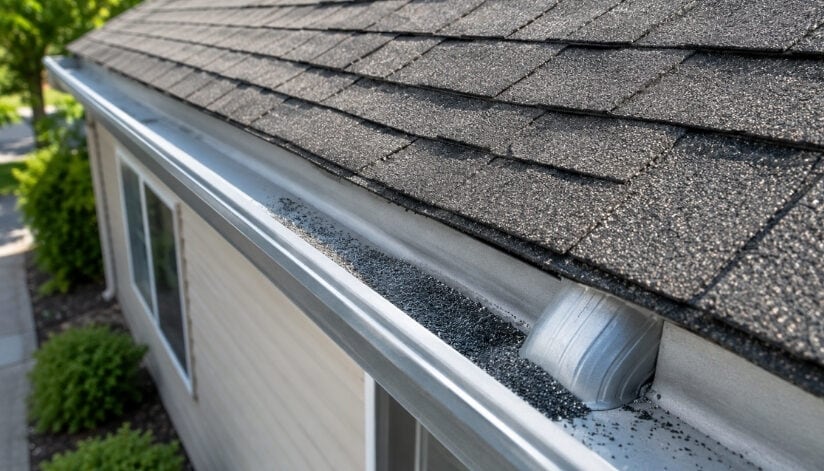
You clean your gutters and notice something unexpected at the bottom. Small, sand-like particles have collected beneath the leaves and debris.
Those particles might be granules from your asphalt shingles.
Finding some shingle granules in your gutters does not automatically mean your roof needs replacement. Asphalt shingles naturally lose a small amount of granules over time. New shingles also tend to shed loose, excess granules after installation.
The amount, timing, and overall condition of your roof matter.
A small amount of granule shedding from a newer roof often falls within normal expectations. Heavy granule buildup from an older roof, especially when paired with bald spots, cracking, curling shingles, leaks, or other visible wear, deserves a closer look.
At Ledegar Roofing, we inspect roofs throughout La Crosse, Onalaska, Holmen, Winona, and surrounding communities. Granule loss is one of many clues we use when evaluating the overall condition of an asphalt shingle roof.
What Are The Granules On Asphalt Shingles?
The rough surface covering asphalt shingles consists of small mineral granules.
Those granules serve an important purpose. They protect the asphalt layer beneath them from sunlight, weather, and everyday exposure. They also provide the color and appearance homeowners associate with asphalt roofing.
Without enough granule coverage, the asphalt beneath the surface receives more direct exposure to ultraviolet light and weather. Over time, exposed areas tend to age faster.
Granules do not stay perfectly attached forever.
Weather, age, foot traffic, storms, and normal wear all contribute to some degree of granule loss during the life of a roof.
The question is not whether a roof ever loses granules.\The better question is whether the amount of granule loss matches the roof’s age and condition.
Is It Normal To Find Shingle Granules In Your Gutters?
Yes, a small amount of granule loss is normal.
Gutters often become the easiest place to notice granules because rainwater carries loose particles down the roof and into the drainage system.
A few granules at the bottom of a gutter do not provide enough information to diagnose a roofing problem.
Roofers look at several factors:
• The age of the roof
• How much material has accumulated
• Whether granule loss has increased
• Whether shingles have visible bare or dark areas
• Whether damage appears across one section or the entire roof
• Whether a recent storm occurred
• Whether other signs of roof deterioration are present
Context matters. A small amount of loose material on a two-year-old roof has a different meaning from a large pile of granules coming from a 20-year-old roofing system.
Why Do New Shingles Lose Granules?
Seeing granules after a recent roof replacement often worries homeowners.
In many cases, early granule shedding is part of the normal manufacturing and installation process.
Manufacturers place more granules on the shingle surface than ultimately remain embedded in the asphalt. Some loose particles stay on the shingles during packaging, transportation, and installation.
Rain then washes those loose particles toward the gutters and downspouts.
GAF describes this type of early granule shedding as normal for newly installed shingles and notes the amount usually decreases over time.
If you recently replaced your roof and notice some granules in the gutters after the first few rains, the roof is not automatically failing.Pay attention to what happens next.
Granule accumulation should become less noticeable as loose surface material washes away. Continued heavy shedding or visible changes in the shingles deserve professional evaluation.
When Does Granule Loss Become A Concern?
Granule loss deserves more attention when the amount becomes excessive or other signs of roofing wear appear at the same time.
One useful clue is consistency.
If you clean your gutters regularly and suddenly notice far more granules than usual, something might have changed.
Age is another factor.
Asphalt shingles gradually weather over the years. As the surface ages, granules loosen. Older roofs often show more granule loss than newer systems.
Visible bare areas deserve attention as well.
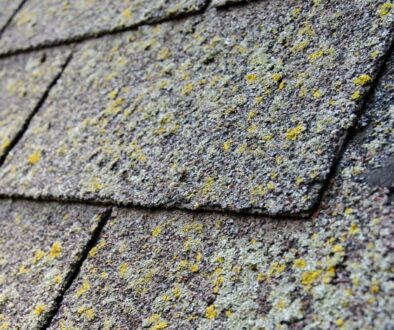
When enough granules disappear, darker asphalt sometimes becomes visible on the shingle surface. Those areas receive greater exposure to sunlight and weather.
A roofing contractor should evaluate significant granule loss rather than relying on the material in your gutters alone.
Does Granule Loss Mean Your Roof Is Getting Old?
Granule loss often increases as asphalt shingles age.
Years of sunlight, rain, wind, snow, ice, and temperature changes affect the roofing surface. Wisconsin homes deal with another major factor. Seasonal temperature swings place roofing materials through repeated cycles of heating, cooling, freezing, and thawing.
Older shingles often develop several signs of wear together.
You might notice granules in the gutters along with:
• Curling or lifting edges
• Cracked shingles
• Bald or discolored areas
• Missing shingles
• Increased brittleness
• Previous repairs in several areas
• Interior water stains or leaks
One symptom alone does not determine roof condition.
Several symptoms appearing together give a roofing contractor a stronger reason to evaluate whether repairs still make sense or replacement deserves consideration.
Does Hail Cause Shingle Granule Loss?
Yes. Hail often knocks granules loose from asphalt shingles.
Hailstones strike the roofing surface with force. Depending on hail size, wind speed, roof age, and shingle condition, those impacts might loosen granules or damage the material beneath the surface.
Granules from storm damage often wash into gutters during later rain.
Timing provides an important clue.
If your gutters suddenly contain a larger amount of granules after a strong storm, schedule a roof inspection.
Hail damage does not always look obvious from the ground. Some impacts create dark spots or areas where granules have disappeared. Other damage requires a closer professional inspection.
Look beyond the shingles too.
Dents in metal gutters, downspouts, roof vents, flashing, or other exterior components sometimes accompany hail damage.
Avoid climbing onto the roof to investigate. Walking on shingles creates a safety risk and might loosen more granules, especially when roofing materials are hot or already worn.
Does Heavy Rain Cause Granule Loss?
Rain often transports loose granules, which makes granule loss more noticeable.
The rain itself does not always create the underlying problem.
If granules have already loosened because of age, weathering, storm impacts, or another source of wear, water carries those particles down the roof.
You might therefore notice a large amount of material in your gutters after a heavy storm even though the granules loosened earlier.
This is another reason trends matter.
If every major rain leaves a significant amount of granules behind, an inspection provides more useful information than assuming the rain alone caused the issue.
What Do Bald Spots On Roof Shingles Mean?
Bald spots form when enough granules disappear to expose the darker asphalt surface beneath them.
These areas deserve attention.
Granules help shield asphalt shingles from ultraviolet exposure. When large areas lose this protective surface, the exposed material tends to deteriorate faster.
Bald spots also help distinguish normal shedding from more serious granule loss.
A few loose granules sitting in a gutter provide limited information. Visible patches across several shingles offer a stronger sign of surface deterioration.
Bald areas sometimes develop from natural aging. Storm damage, foot traffic, mechanical damage, or other conditions also play a role.
A roofer needs to look at the pattern and surrounding roofing material to determine the likely cause.
Why Does Roof Age Matter When You Find Granules?
A roof’s age helps put granule loss into context.
On a newer roof, loose manufacturing granules or isolated damage might explain what you see.
On an older roof, increased granule loss often forms part of a larger aging pattern.
Roofers do not base replacement decisions on age alone. They look at age alongside physical condition.
An older roof with good shingle coverage, no leaks, solid decking, and limited wear might still have useful service life.
An older roof with substantial granule loss, curling shingles, repeated leaks, cracking, and several previous repairs tells a different story. Granule loss becomes more meaningful when the rest of the roof shows similar signs of decline.
Do Granules In The Gutters Mean You Need A New Roof?
No. Granules in your gutters do not automatically mean you need a roof replacement.
A professional roofer first needs to determine why the shingles are losing granules and how much of the roofing system is affected.
Localized storm damage might qualify for repair.
Normal shedding from recently installed shingles might require no work at all.
Widespread granule loss on an aging roof might support a replacement recommendation, especially when other forms of deterioration are present. The full roof condition should drive the decision.
At Ledegar Roofing, we inspect the complete roofing system rather than making a recommendation based on one symptom. Shingles, flashing, roof penetrations, decking, ventilation, previous repair areas, and signs of moisture all contribute to the evaluation.
What Other Signs Of Roof Damage Should You Watch For?
Granule loss becomes more important when other warning signs appear.
Look for changes you notice from the ground or inside your home.
Missing shingles deserve attention after storms. Curling and cracking often point toward aging materials. Dark or bald patches suggest surface wear. Water stains on ceilings or walls signal possible moisture intrusion.
Your gutters also provide useful clues.
Along with granules, look for pieces of shingles, damaged gutter sections, unusual debris, or drainage problems.
Inside the attic, moisture stains or signs of water entry deserve professional attention.
No single symptom tells the entire story. A combination of symptoms often provides a much clearer picture of roof condition.
Should You Clean Shingle Granules Out Of Your Gutters?
Yes. Gutters need a clear path for water.
Granules settle at low points and collect around downspout openings. Large accumulations mixed with leaves, twigs, and other debris interfere with drainage.
Poor drainage creates a separate set of problems around roof edges, fascia, siding, and foundations.
Cleaning the gutters also gives you an opportunity to monitor granule loss.
Pay attention to changes from one cleaning to the next.
If you normally see a light coating and suddenly find a heavy accumulation, take a photo and contact a roofing professional. You do not need to count individual granules. You are looking for significant changes and patterns.
When Should You Call A Roofer About Granule Loss?
Contact a roofing contractor when granule loss looks excessive, appears suddenly, or occurs alongside other roofing problems.
An inspection makes particular sense after severe hail or wind, when an older roof starts shedding more granules, or when bald areas become visible.
Professional evaluation removes much of the guesswork.
A roofer looks at where granules are missing, how much of the roof is affected, the age of the roofing system, storm history, shingle condition, flashing, and signs of moisture.
From there, you should receive a clear explanation of whether the roof needs monitoring, repair, or replacement.
Are Shingle Granules In Your Gutters Normal?
Sometimes.
Small amounts of granule shedding occur throughout the life of an asphalt shingle roof. Newly installed shingles often release loose excess granules during the first several months. Older roofs also lose granules through normal weathering.
Heavy, increasing, or uneven granule loss deserves attention.
Look at the bigger picture. Roof age, recent storms, bald spots, curling shingles, cracks, leaks, and repeated repairs all help determine whether granule loss represents normal wear or a larger roofing issue.
If you are finding more granules in your gutters than usual or see signs of deterioration on your roof, schedule an inspection.
Ledegar Roofing serves homeowners throughout La Crosse, Onalaska, Holmen, Winona, and surrounding communities. Our team evaluates the entire roofing system and explains what we find so you understand whether your roof needs maintenance, repair, replacement, or no immediate work.
Frequently Asked Questions About Shingle Granule Loss
Is It Normal For A New Roof To Lose Granules?
Yes. New asphalt shingles often shed loose excess granules after installation. This shedding usually decreases over the following months. Continued heavy loss or visible bald areas deserve professional evaluation.
Why Are There Black Granules In My Gutters?
Asphalt shingles use mineral granules in different colors. Dark particles in your gutters often come from the roofing surface. If the amount seems excessive or has recently increased, a roof inspection helps determine the source.
How Much Granule Loss Is Too Much?
There is no useful household measurement for an acceptable number of granules. Roofers focus on patterns. Heavy gutter accumulation, increasing loss, visible bald spots, widespread discoloration, or other signs of deterioration indicate a need for closer inspection.
Does Granule Loss Cause Roof Leaks?
Granule loss itself does not always create an immediate leak. Significant loss exposes more of the asphalt surface to sunlight and weather, which contributes to faster deterioration. Leaks often involve several roofing components or forms of damage.
Should I Replace My Roof If I See Granules In The Gutters?
Not based on granules alone. Roof age, shingle condition, extent of granule loss, decking condition, leak history, storm damage, and other factors should guide the repair or replacement decision.
Should I Have My Roof Inspected After Finding A Lot Of Granules?
Yes. A sudden increase in granules, especially after hail, strong wind, or heavy weather, deserves professional inspection. An inspection helps determine whether the loss reflects normal aging, storm damage, or another roofing issue.