Does Moss on Your Roof Mean You Need a New Roof?
Seeing moss growing across your roof can make the situation look worse than it is. A green patch spreading between shingles often leads homeowners to assume the roof is failing and replacement is next. Moss does not automatically mean you need a new roof.
What matters is what has happened to the roofing material underneath and around the growth. A relatively young roof with limited moss and shingles still in good condition might only need professional cleaning and maintenance. An older roof with heavy moss, lifting shingles, granule loss, leaks, or damaged decking presents a different situation.
Moss deserves attention because it holds moisture against the roofing surface. As growth becomes thicker, it can work into spaces around shingles and contribute to deterioration. GAF notes that moss retains water and can spread beneath shingles, where continued growth can lift roofing materials and expose the system to additional moisture.
At Ledegar Roofing, we look beyond the green growth itself. The real question is whether the roof beneath the moss remains sound.
Why Does Moss Grow On Some Roofs?
Moss prefers damp, shaded environments. That explains why one side of a house might have considerable moss while another side looks clean. North-facing roof slopes often receive less direct sunlight. Large trees might shade another section for much of the day. Leaves and other debris can also hold moisture against shingles.
Conditions that encourage moss include:
- Heavy shade
- Limited sunlight
- Overhanging trees
- Leaves collecting on the roof
- Areas that dry slowly after rain
- Persistent moisture
- Poor airflow around the roof surface
Moss growth often starts small. You might first notice a green area along a shingle edge or in a shaded corner. Given enough time and moisture, the growth spreads. Winter does not necessarily eliminate the problem either. Moss often survives colder weather and continues growing when conditions become favorable again.
Why Is Moss Bad For Asphalt Shingles?
The biggest concern with moss is moisture. Asphalt shingles are designed to shed water down the roof. Moss works against that process by absorbing and holding water on the roofing surface. A thick layer acts somewhat like a wet sponge sitting against the shingles.
That retained moisture increases the amount of time roofing materials stay wet after rain, dew, or melting snow. Moss can also grow around shingle edges and into small spaces between roofing materials.
Over time, this might contribute to:
- Granule loss
- Shingle deterioration
- Lifted shingle edges
- Moisture reaching areas beneath the shingles
- Increased wear on aging roofing materials
The presence of moss does not prove all of these problems exist. A roofer needs to inspect the underlying roofing materials to see what has actually happened.
Does Moss Mean Your Roof Is Leaking?
No. A moss-covered roof does not automatically have a leak. Moss is a warning sign worth investigating, not proof water has entered your home.
During an inspection, a roofer looks for additional evidence of moisture problems. This includes damaged shingles, exposed areas, compromised flashing, soft or deteriorated decking, and signs of water intrusion. Inside the home, ceiling stains or attic moisture provide additional clues.
A roof with moss but no damage might only need appropriate cleaning and ongoing maintenance. A roof with moss plus deteriorated materials requires a broader conversation.
What Does A Roofer Look For Under Moss?
Removing or evaluating moss is only part of the job. The condition underneath matters more. A professional inspection looks at how the shingles have held up and whether moisture has affected other parts of the roofing system.
Shingle Condition
The roofer will look for shingles that are cracked, curled, lifted, loose, or otherwise deteriorated. Moss sometimes grows around shingle edges and pushes into gaps. If shingles remain flat, flexible, and intact, the roof might still have substantial useful life.
If shingles have become brittle or badly deteriorated, cleaning alone does not solve the underlying condition.
Granule Loss
Asphalt shingles have mineral granules on the surface. Those granules help protect the asphalt underneath from sunlight and weather.
Heavy moss growth and improper cleaning both contribute to granule loss.
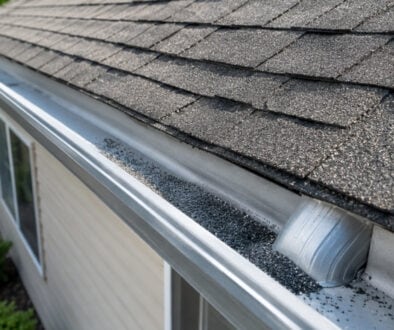
A roofer will look for bald spots, uneven wear, and excessive granules collecting in gutters. Granule loss matters more when it appears across an older roof or accompanies cracking, curling, or other signs of deterioration.
Lifted Shingles
Moss growing along shingle edges deserves attention. As growth becomes established, it might work underneath portions of the roofing material. Lifted edges create more opportunity for wind-driven rain and moisture to reach areas where they do not belong.
The amount and location of lifting help determine whether cleaning, repair, or replacement makes sense.
Roof Decking
The decking sits beneath the roofing materials and provides the structural surface supporting the roof system. Homeowners usually do not see this layer. If moisture has reached the decking repeatedly, sections might become stained, soft, or deteriorated. Roofers look for signs of trouble from above and, where accessible, from the attic.
Decking condition becomes especially important when deciding whether an older moss-covered roof should be repaired or replaced.
Does Roof Age Matter When You Have Moss?
Yes, but age is only one factor. A roof that is only several years old and has moss growing on a shaded section presents a different situation from an older roof already showing widespread deterioration. Roofers consider age alongside physical condition.
An older roof might show:
- Significant granule loss
- Brittle shingles
- Curling edges
- Previous repairs
- Recurring leaks
- Missing shingles
- Worn flashing
- Deteriorated decking
Add heavy moss to several of those conditions, and replacement deserves stronger consideration. On the other hand, replacing an otherwise healthy roof simply because moss appears would ignore the actual condition of the system. A good inspection separates cosmetic appearance from functional damage.
When Does Cleaning A Mossy Roof Make Sense?
Cleaning often makes sense when the roofing materials remain in good condition and the moss has not caused extensive damage. The goal is to remove or treat the growth without damaging the shingles. A professional also looks at why moss developed in the first place. If a roof stays wet because tree branches block sunlight and airflow, treating the moss without addressing those conditions often leads to another round of growth.
Helpful steps might include:
- Removing accumulated leaves and debris
- Trimming appropriate overhanging branches
- Keeping gutters clear
- Improving sunlight and airflow where practical
- Scheduling periodic roof inspections
- Using a roof-appropriate moss treatment when needed
Early attention usually provides more options than waiting until moss becomes thick and widespread.
Why Shouldn’t You Pressure Wash Moss Off Your Roof?
Pressure washing looks like a fast solution. For asphalt shingles, it can create a bigger problem. High-pressure water can remove protective granules from shingles. Strong water pressure might also lift or damage shingle edges and drive water into areas beneath the roofing material.
GAF specifically advises against using a pressure washer for moss removal because high-pressure water can cause granule loss and lift shingles. A roof does not need to look perfectly clean immediately after treatment.
Depending on the method and condition of the moss, professional treatment might loosen growth over time rather than stripping everything from the surface at once. Protecting the shingles matters more than achieving a dramatic before-and-after photo in one afternoon.
Why Is Aggressive Scraping Risky?
Scraping creates similar concerns. Moss attaches itself to the roofing surface. Pulling or aggressively scraping thick growth might remove granules along with the moss. Older shingles deserve even more caution because weathered roofing materials often become less flexible.
Walking around the roof with a stiff brush, scraper, or other tool also introduces another risk. Foot traffic can damage aging shingles, and working on a sloped roof creates a serious fall hazard. Professional evaluation helps determine the safest approach for both the roof and the person doing the work.
Can You Tell Moss From Algae?
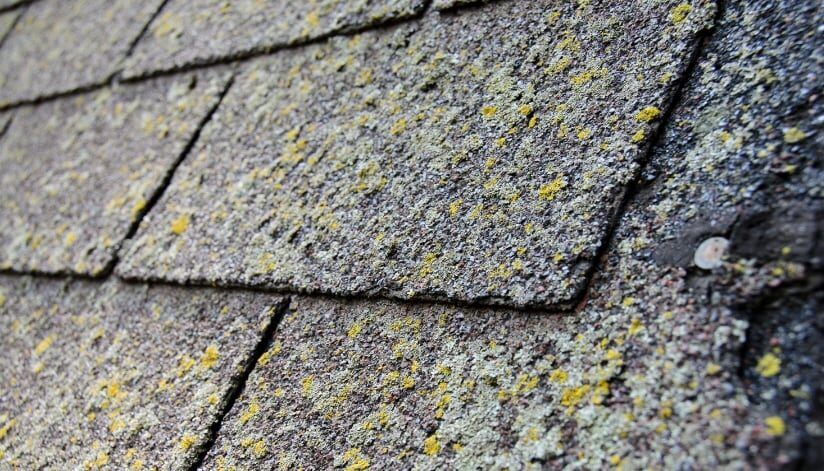
Homeowners sometimes use “moss” to describe several types of roof growth. Moss usually has visible texture and thickness. It often looks green and grows above the roof surface.
Algae more commonly appears as dark staining or streaking across shingles. The distinction matters because the condition, treatment, and effect on roofing materials differ. Moss physically holds moisture and grows around shingle edges. Dark staining alone does not necessarily mean the same type of damage is occurring.
If you are unsure what is growing on your roof, a professional inspection provides a better answer than guessing from the ground.
Should You Replace A Roof With Heavy Moss?
Heavy moss does not make replacement automatic, but it raises more questions. A roofer should determine whether the shingles beneath the growth still function properly. Replacement becomes more likely when heavy moss appears alongside widespread roofing deterioration, such as:
- Significant shingle lifting
- Extensive granule loss
- Cracking or curling
- Multiple leaks
- Soft or damaged decking
- Numerous previous repairs
- Advanced roof age
- Large areas of deteriorated material
Cleaning a roof already nearing the end of its useful life might provide little value if the underlying materials have deteriorated. The decision should come from the condition beneath the moss, not from the appearance of the moss alone.
Can Moss Cause Problems During A Wisconsin Winter?
Moss and winter moisture are not a good combination. Moss holds water. In Wisconsin, that moisture eventually faces freezing temperatures. Fall rain, melting snow, freezing conditions, and repeated temperature changes place added stress on roofing materials. Existing lifted or damaged shingles deserve attention before snow covers the roof.
October provides a useful time to inspect questionable areas because roofing surfaces remain visible and homeowners still have time to address problems before winter. Ledegar already recommends addressing roof maintenance concerns before winter weather creates additional stress on the roofing system.
How Do You Keep Moss From Coming Back?
No maintenance plan guarantees moss will never return, especially on heavily shaded properties. You can reduce conditions that encourage growth.
Keep leaves and debris from sitting on the roof. Trim appropriate branches that block sunlight or drop large amounts of organic material. Keep gutters working properly so water moves away from roof edges.
Regular inspections also help catch small patches before growth becomes widespread. Ledegar recommends trimming overhanging branches where appropriate to improve airflow and help roof surfaces dry faster.
When Should You Have A Mossy Roof Inspected?
Schedule an inspection when moss becomes widespread, growth appears beneath shingle edges, or you see additional signs of deterioration.
Pay particular attention if your roof is older or you notice:
- Bald spots
- Missing granules
- Lifted shingles
- Cracking
- Curling
- Missing shingles
- Ceiling stains
- Attic moisture
- Recurring leaks
You do not need to climb onto the roof to investigate. Look from the ground and let a roofing professional inspect the surface safely. At Ledegar Roofing, we evaluate the full roofing system rather than treating moss as an isolated cosmetic problem. Ledegar serves homeowners throughout La Crosse, Onalaska, Holmen, Winona, and surrounding communities.
Does Moss On Your Roof Mean You Need A New Roof?
Usually, moss alone does not answer the question. A newer roof with limited growth and healthy shingles might need cleaning and maintenance. An older roof with heavy moss, lifted shingles, granule loss, repeated leaks, or decking deterioration might be ready for replacement.
The most useful question is not how green the roof looks. Ask what condition the roofing materials are in underneath the moss. A professional roof inspection gives you that answer and helps determine whether cleaning, repair, monitoring, or replacement makes sense.
Frequently Asked Questions About Moss On Roofs
Is A Little Moss On A Roof A Problem?
A small amount does not automatically indicate serious roof damage. Moss holds moisture, though, and growth tends to spread when conditions remain favorable. Addressing it early helps protect the roofing surface.
Will Moss Go Away During Winter?
Do not count on winter to solve the problem. Moss can survive cold weather and resume growth when moisture and temperatures become favorable again.
Should I Pressure Wash Moss Off Asphalt Shingles?
No. High-pressure washing can remove protective granules and damage shingles. A roof-appropriate treatment performed with the roofing material in mind is a safer approach.
Can Moss Cause A Roof Leak?
Moss does not automatically create a leak. Thick growth can hold moisture and work beneath shingle edges, increasing the potential for roofing deterioration and water intrusion over time.
Does A Mossy Roof Need To Be Replaced?
Not necessarily. Roof age, shingle condition, granule loss, decking condition, leak history, and the extent of moss growth should guide the decision.
Should I Remove Moss Before Winter?
Fall is a good time to have significant moss growth evaluated. An inspection helps identify damaged shingles or moisture concerns before snow and ice make the roof harder to inspect.