What Should A Professional Chimney Cleaning Include?
A professional chimney cleaning should involve much more than running a brush through the flue and removing a pile of soot. A thorough service should remove creosote and debris, check for obstructions, inspect the flue and liner, evaluate the damper and smoke chamber, and review the chimney cap, crown, masonry, flashing, and surrounding roof area.
Those additional steps matter because a chimney works as a complete system. Removing buildup improves airflow, but cleaning alone does not address a damaged liner, deteriorating masonry, blocked cap, worn damper, or exterior moisture problem.
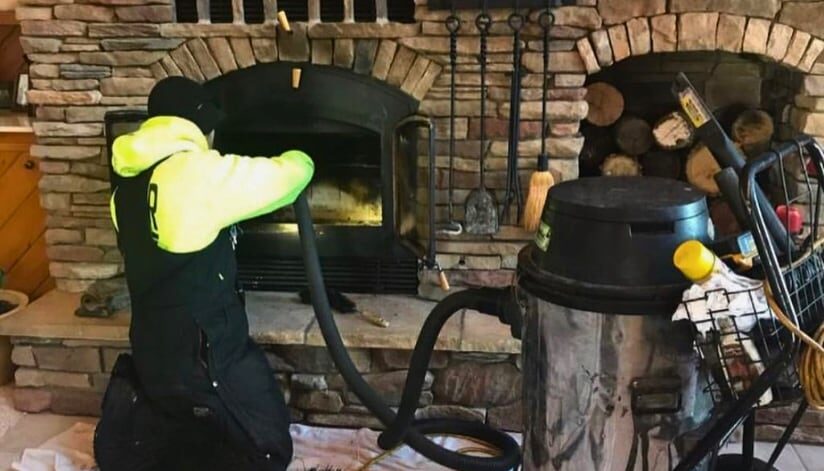
At Ledegar Roofing, chimney cleaning includes an inspection of the chimney structure and flue, removal of soot and creosote, evaluation of airflow, cleaning around the smoke chamber and damper, and a final review of the cap, crown, and surrounding roof. Ledegar also performs a video inspection after cleaning to evaluate the interior liner and flue more closely.
For homeowners preparing to use a fireplace or wood stove during another Wisconsin winter, understanding what a professional chimney cleaning should include helps you know what service you are receiving and why each step matters.
A Chimney Cleaning Should Start With An Inspection
Before cleaning begins, the technician should evaluate the condition of the chimney and ask about how the fireplace or wood stove has been performing.
This conversation provides useful information. A homeowner might mention smoke entering the room, unusual odors, poor draft, water around the fireplace, falling masonry debris, or sounds coming from the chimney. Each symptom gives the technician somewhere to focus during the inspection.
The initial inspection should also look at accessible parts of the chimney and fireplace system before buildup gets removed. The National Fire Protection Association includes inspection of readily accessible chimney areas, flues, appliances, and connections as part of routine chimney cleaning requirements. A professional cleaning should therefore begin with an understanding of the system rather than treating every chimney exactly the same.
Creosote Removal Is A Major Part Of Chimney Cleaning
Creosote forms as a byproduct of burning wood. Over time, deposits collect along the flue and other interior chimney surfaces. Removing this buildup is one of the main reasons homeowners schedule chimney cleaning.
Creosote buildup varies from one fireplace to another. Burning habits, wood moisture, chimney temperature, draft, fireplace design, and frequency of use all influence how quickly deposits develop.
Some buildup looks loose and flaky, while heavier deposits become harder and more difficult to remove. A professional chimney sweep uses tools suited to the condition of the chimney rather than relying on one method for every job.
Ledegar notes that creosote creates two concerns. The material is flammable, and accumulated deposits also restrict airflow through the chimney. Removing buildup therefore serves two purposes. Cleaning reduces combustible deposits while restoring more of the passage needed for smoke and combustion gases to move out of the home.
A Professional Should Check For Chimney Obstructions
Creosote is not the only material capable of blocking a chimney. Bird nests, leaves, sticks, deteriorating masonry, and other debris sometimes enter through the top of the chimney, especially when a cap is damaged or missing. Animals also occasionally find their way inside.
Even a partial obstruction affects airflow. A chimney needs a clear path for smoke and combustion gases. When the flue becomes restricted, the fireplace might draft poorly or send smoke back toward the living area.
During a professional cleaning, the technician should look for anything reducing the open passage through the chimney and remove accessible debris associated with the service. The source of the obstruction also deserves attention. Removing a nest solves the immediate blockage, but a damaged or missing chimney cap might leave the same opening exposed again.
The Flue And Chimney Liner Need Inspection
Once soot and creosote have been removed, the technician gets a clearer look at the interior of the chimney. This is an important part of the process because buildup sometimes hides cracks, deterioration, corrosion, or other defects.
The flue provides the passage for smoke and gases leaving the fireplace or heating appliance. Many chimneys also contain a liner designed to protect surrounding materials and provide an appropriate pathway through the chimney.
A professional inspection should look for signs of:
- Cracks or gaps
- Missing or deteriorated liner sections
- Corrosion
- Damage around joints
- Remaining obstructions
- Significant deposits left after cleaning
- Other visible deterioration
Ledegar Roofing performs video inspections after chimney cleaning to examine the interior liner and flue and identify problems that are difficult to evaluate from either end of the chimney.
This step separates a thorough chimney service from a basic sweep. Cleaning tells you the flue is cleaner. Inspection helps determine what condition the system is in after the deposits are gone.
The Damper Should Be Cleaned And Evaluated
The damper controls airflow through many traditional fireplaces. When working properly, the damper opens to allow smoke to travel into the chimney and closes when the fireplace is not in use.
Soot, creosote, corrosion, and wear all affect damper operation over time. During a professional chimney cleaning, the technician should clean around the damper and check its movement. A damper that does not open fully restricts airflow, while one that fails to close properly affects the fireplace when not in use. Ledegar includes smoke chamber and damper cleaning as part of its chimney cleaning process and checks these components for proper airflow.
Homeowners do not always notice damper problems until a fire produces more smoke than expected. Including the damper in routine service provides an opportunity to catch trouble before fireplace season is fully underway.
The Smoke Chamber Deserves Attention Too
The smoke chamber sits above the firebox and helps direct smoke toward the flue. Because combustion gases pass through this area, soot and creosote also collect there. A professional cleaning should address accessible buildup within the smoke chamber rather than focusing exclusively on the vertical flue.
The technician should also look for visible deterioration in surrounding areas. Cracks, gaps, or damaged surfaces deserve further evaluation because the smoke chamber plays an important role in moving combustion products into the chimney. Many homeowners never see this part of the fireplace system, which makes professional inspection especially useful.
The Chimney Cap Should Be Checked
The chimney cap sits at the top of the chimney and performs several jobs. Depending on the design, the cap helps reduce entry from rain, leaves, animals, and other debris while allowing exhaust to leave the flue.
A damaged, loose, clogged, or missing cap creates several potential problems. Rain and snow gain easier access to the chimney. Animals and debris gain another entry point. Screens around some caps also become restricted by buildup.
A complete chimney cleaning should therefore include a visual review of the cap rather than ending as soon as the interior flue is clean. If the cap needs repair or replacement, homeowners should know before another season of snow, ice, and fireplace use begins.
The Chimney Crown Needs A Close Look
The crown sits across the top of many masonry chimneys and helps direct water away from the masonry and flue openings. Cracks in this area create a path for moisture. Wisconsin weather makes crown condition especially important. Water entering small cracks during fall rain might freeze as temperatures drop. Repeated freezing and thawing places additional pressure on already damaged masonry.
A chimney cleaning appointment provides a useful opportunity to inspect the crown before winter weather arrives. Small exterior problems are easier to address before water, snow, and ice spend another season working into deteriorated areas.
A Professional Should Inspect The Exterior Chimney
Chimney maintenance does not stop at the flue. The exterior masonry needs attention because bricks and mortar face years of rain, snow, ice, wind, and temperature changes. Visible deterioration sometimes indicates moisture problems long before the homeowner notices anything around the fireplace.
A professional should look for cracked or deteriorating mortar joints, damaged brick, loose materials, staining, and other visible changes.
Ledegar also provides tuckpointing when exterior chimney mortar requires repair, which allows interior cleaning and exterior chimney maintenance to work together. This broader approach matters because a clean flue inside a deteriorating chimney does not address the entire structure.
Chimney Flashing And The Surrounding Roof Should Be Reviewed
The area where a chimney meets the roof deserves special attention. Flashing helps keep water from entering around this intersection. Failed or deteriorating flashing often leads to moisture problems that homeowners initially mistake for a chimney leak or roofing leak somewhere else.
During an exterior chimney inspection, the technician should look at the visible condition of the flashing and surrounding roofing materials. Signs of trouble include loose flashing, gaps, sealant deterioration, damaged shingles, water staining, or previous repairs starting to fail.
Ledegar’s chimney cleaning process includes a final roof inspection focused on the cap, crown, and surrounding roof area. Having a roofing contractor perform chimney work provides an advantage in this area because the chimney and roofing system meet at one of the home’s most important water-management points.
Should A Chimney Cleaning Include A Video Inspection?
A video inspection provides a closer view of interior areas that are difficult to evaluate from the fireplace opening or rooftop. After cleaning removes soot and creosote, a camera gives the technician a clearer look at the liner and flue condition. Cracks, gaps, deterioration, or other concerns become easier to identify on a clean surface. Ledegar performs a video inspection after each chimney cleaning for this reason.
Homeowners should ask what level of inspection accompanies the service, especially when dealing with an older chimney, a fireplace with an unknown maintenance history, recurring draft problems, or previous chimney damage.
What Should You Expect After The Chimney Cleaning?
A professional should explain what was found. You should understand whether the chimney was simply dirty or whether the inspection revealed maintenance or repair concerns. If the technician sees liner damage, deteriorating mortar, crown cracks, cap problems, flashing concerns, or unusual buildup, those findings should become part of the conversation.
You should also know whether any issue deserves attention before using the fireplace again. A chimney service provides greater value when homeowners leave with a clearer understanding of the system rather than only knowing the soot has been removed. Photos or video from the inspection also help explain interior conditions that homeowners cannot see themselves.
When Should You Schedule Chimney Cleaning?
The right cleaning schedule depends on fireplace use, fuel, burning habits, buildup, and the condition of the system. Inspection frequency and cleaning frequency are not always identical because a chimney sometimes needs inspection without requiring extensive sweeping.
Ledegar recommends regular inspection and cleaning based on chimney condition and use, with particular attention to creosote accumulation and restricted airflow. If your fireplace has not been inspected recently, has an unknown maintenance history, produces smoke or unusual odors, or received heavy use last winter, scheduling service before relying on the fireplace again provides useful information.
What Should A Professional Chimney Cleaning Include?
A complete chimney cleaning should leave you with more than a cleaner flue. The service should address combustible deposits, airflow, obstructions, interior condition, operating components, and exterior areas exposed to weather.
For most residential chimney systems, a thorough service should cover creosote and soot removal, obstruction checks, flue and liner inspection, damper and smoke chamber evaluation, chimney cap and crown review, exterior masonry condition, flashing, and the roof area surrounding the chimney.
At Ledegar Roofing, chimney work combines cleaning with inspection because those two services answer different questions. Cleaning removes buildup. Inspection identifies problems the buildup might have hidden. Ledegar Roofing serves homeowners throughout La Crosse, Onalaska, Holmen, and surrounding communities with chimney cleaning, inspection, maintenance, and repair services.
Before another Wisconsin winter puts your fireplace back into regular use, a professional chimney cleaning provides an opportunity to address buildup and understand the condition of the entire system.
Frequently Asked Questions About Professional Chimney Cleaning
Does Chimney Cleaning Include Creosote Removal?
Yes. Removing soot and creosote from accessible chimney surfaces is a core part of professional chimney cleaning. The amount and type of buildup determine the tools and cleaning approach used.
Should The Chimney Be Inspected After Cleaning?
Yes. Cleaning exposes surfaces previously hidden by soot and creosote, giving the technician a better view of the liner, flue, and other interior areas. Ledegar performs a video inspection after chimney cleaning.
Does Chimney Cleaning Include The Damper?
A thorough service should evaluate and clean accessible areas around the damper and smoke chamber. Proper damper operation plays an important role in fireplace airflow.
Does A Chimney Sweep Check The Roof?
The exact service depends on the contractor. Ledegar’s process includes a final review of the chimney cap, crown, and surrounding roof area after cleaning.
Will Chimney Cleaning Fix Cracks Or Masonry Damage?
Cleaning and repair are separate services. A cleaning appointment often identifies cracked mortar, damaged masonry, liner concerns, flashing problems, or crown deterioration requiring additional work.
Should I Have My Chimney Cleaned Before Winter?
If your chimney is due for service or has not received a recent inspection, scheduling before regular fireplace use gives you time to address buildup, obstructions, or repair concerns before colder weather arrives.