Attic Frost: What It Means for Your Roof
Finding frost inside an attic during a Wisconsin winter often surprises homeowners, especially when no roof leak appears below. Frost on roof sheathing, rafters, trusses, or roofing nails usually forms when warm, moisture-filled air from the living space reaches cold attic surfaces and freezes.
A small amount of frost during an unusually cold stretch does not always signal serious roof damage, yet recurring or widespread frost deserves attention because repeated moisture exposure places roof decking, insulation, and other building materials under stress. The larger concern often involves the conditions allowing excess household moisture into the attic in the first place.
At Ledegar Roofing, we look at the attic as part of the complete roofing system. Air leakage, insulation, ventilation, indoor humidity, bathroom exhaust, attic access points, and roof design all influence how much moisture reaches the attic and how effectively the space handles winter conditions.
Why Does Frost Form Inside an Attic?
Warm indoor air naturally holds more moisture than cold outdoor air. During winter, heated air from the living space rises toward the attic, where small gaps around light fixtures, wiring, plumbing penetrations, attic hatches, ductwork, and framing allow air to escape upward. Once warm, humid air reaches the cold attic, moisture condenses on roof decking, nails, rafters, or other surfaces. When surface temperatures remain below freezing, the moisture freezes and creates the white frost homeowners often notice during cold weather.
This process explains why attic frost often appears after several days of low temperatures rather than after snowfall alone. The roof might remain watertight from the outside while moisture from inside the home creates problems underneath the roof deck.
Is Some Attic Frost Normal During Winter?
A light amount of frost sometimes appears during periods of extreme cold, especially when indoor humidity runs high. A few frosted nail tips or a thin layer in isolated areas does not automatically point toward major roof failure.
Concern grows when frost becomes widespread, repeatedly returns, coats large sections of roof sheathing, or begins melting into the insulation during warmer periods. Heavy frost often signals more household moisture entering the attic than the ventilation and air-sealing system handles effectively. Patterns provide useful information. Frost concentrated above a bathroom, near an attic hatch, around recessed lighting, or along one particular roof section often points toward a specific source of warm air leakage rather than a roofing leak.
Air Leaks Often Play a Major Role
Ventilation receives a great deal of attention when homeowners find attic frost, yet air leakage from the heated portion of the home often deserves equal attention. Warm air looks for pathways upward, and even relatively small openings allow a surprising amount of moisture into the attic throughout winter. Common trouble spots include gaps around plumbing stacks, electrical wiring, ceiling fixtures, attic doors, framing connections, and mechanical penetrations.
Bathroom exhaust systems deserve special attention because showering creates large amounts of warm, humid air. If an exhaust duct terminates inside the attic, comes loose, or leaks along the way, moisture gets deposited directly into one of the coldest spaces in the home. A thorough attic evaluation should therefore look for unwanted air movement before focusing only on adding more roof vents.
How Insulation Affects Attic Frost
Insulation helps separate the heated living space from the colder attic above. When insulation performs well and covers the attic floor evenly, less heat reaches the roof deck. Thin insulation, compressed insulation, missing sections, or disturbed areas create warm spots where household heat moves upward more easily. Those same locations often allow more moisture into the attic, especially when gaps in air sealing sit nearby.
Uneven insulation sometimes explains uneven snow melt on the roof as well. A warmer section of roof deck melts snow faster, while nearby areas remain covered. Repeated warm spots deserve attention because they often point toward heat loss rather than normal roof performance. Adding insulation without addressing air leaks does not always solve attic frost. Warm, moist air still moves through openings, which means air sealing and insulation often need to work together.
How Winter Attic Ventilation Helps Manage Moisture
A balanced attic ventilation system moves outdoor air through the attic while helping excess heat and moisture escape. Intake vents near the lower roof edge, often located in soffits, bring air into the space, while ridge vents or other roof vents allow air to exit higher on the roof. Winter ventilation helps keep attic conditions closer to outdoor temperatures and reduces moisture buildup. Good airflow also supports more consistent roof temperatures, which plays a role in reducing conditions associated with uneven snow melt and ice dams.
More ventilation does not automatically solve every frost problem. Blocked soffit vents, poor intake, improperly placed insulation, or major air leakage from the living space all reduce ventilation performance. The best system relies on balance between intake and exhaust, along with good insulation and air sealing below.
Blocked Soffit Vents Create Problems
Soffit vents bring fresh outdoor air into the attic, yet insulation often blocks these openings in older homes or after insulation upgrades.
When intake airflow becomes restricted, exhaust vents near the roof peak struggle to move air effectively. The attic then holds more heat and moisture, especially during periods of heavy indoor humidity.
Ventilation baffles help preserve a clear path between soffit vents and the attic while keeping insulation away from the opening. During an attic inspection, roofers should look for blocked intake areas rather than focusing only on ridge vents or box vents visible from outside. A roof might have plenty of exhaust ventilation while still suffering from poor overall airflow because the system lacks enough intake.
Indoor Humidity Matters More During Cold Weather
Indoor humidity strongly influences attic frost. The more moisture present inside the home, the more moisture becomes available to travel into the attic through air leaks. Cooking, showering, laundry, humidifiers, houseplants, and everyday household activity all add moisture to indoor air. During cold Wisconsin winters, higher indoor humidity leads to more condensation on cold building surfaces.
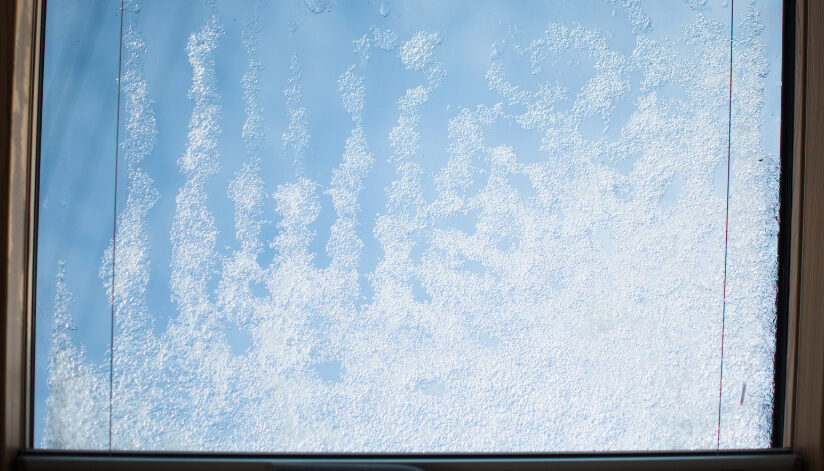
Window condensation often provides an early clue. If windows remain wet or heavily frosted throughout cold weather, indoor humidity might also be contributing to attic moisture. Running bathroom and kitchen exhaust fans properly, ensuring exhaust ducts terminate outdoors, and adjusting humidifier settings during cold weather all help reduce unnecessary moisture.
When Does Attic Frost Start Damaging Roof Decking?
Frost becomes more concerning when repeated cycles of freezing and melting keep roof decking wet for extended periods. During deep winter cold, moisture sometimes stays frozen and causes little visible trouble inside the home. Problems become easier to notice when outdoor temperatures rise and accumulated frost begins melting.
Water then drips onto insulation, runs across framing, or soaks into roof sheathing. Homeowners sometimes mistake this moisture for a roof leak because ceiling stains appear during a winter warm-up even though no rain has fallen.
Repeated wetting and drying eventually affects wood materials, especially when moisture remains trapped or ventilation stays poor. Warning signs include darkened sheathing, staining, soft areas, musty odors, wet insulation, or recurring moisture marks. Roof decking deserves professional evaluation when heavy frost appears season after season or when moisture-related damage becomes visible.
How Attic Frost Differs From a Roof Leak
A roof leak usually involves water entering from outside through damaged shingles, flashing, penetrations, or another weakness in the roofing system. Attic frost develops from moisture originating inside the home.
The timing often provides a clue. Moisture appearing during a cold snap or shortly after temperatures rise points more strongly toward condensation and frost. Water entering during rain or active snowmelt raises different questions about roofing materials and flashing. Both problems sometimes exist together, so assumptions based on timing alone are risky. A professional inspection looks at roof surfaces, attic conditions, insulation, ventilation, and moisture patterns before determining the source.
Does Attic Frost Cause Ice Dams?
Attic frost and ice dams often share several underlying conditions, especially heat loss and air leakage. Ice dams develop when heat from inside the home warms part of the roof enough to melt snow. Meltwater then moves toward colder roof edges and refreezes. Repeated melting and freezing creates a ridge of ice capable of trapping additional water higher on the roof.
Poor insulation, air leakage, and uneven roof temperatures all contribute to this process. Attic ventilation plays a supporting role by helping keep roof temperatures more consistent, yet ventilation alone does not correct major heat loss from the living space. Homes experiencing both attic frost and recurring ice dams deserve a complete attic and roofing evaluation rather than separate fixes for each symptom.
What Should a Professional Attic Inspection Include?
A useful winter attic inspection looks at moisture, heat movement, ventilation, insulation, and roofing conditions together. The goal involves finding where warm air enters the attic, how moisture moves through the space, and whether roof materials show signs of repeated exposure.
Areas worth evaluating include:
- Roof decking and framing
- Frost or condensation patterns
- Attic insulation depth and coverage
- Soffit vents and ventilation baffles
- Ridge vents or other exhaust vents
- Bathroom exhaust ducts
- Attic access panels
- Plumbing and electrical penetrations
- Recessed lighting areas
- Signs of previous water damage
- Interior humidity levels
- Snow-melt patterns on the roof
Looking at the complete system gives homeowners a more useful answer than adding insulation or ventilation without understanding the source of the moisture.
When Should You Call a Roofing Professional About Attic Frost?
A small amount of isolated frost during extreme weather does not always require immediate work, but widespread or recurring frost deserves evaluation before repeated moisture begins affecting insulation or roof decking.
Schedule an inspection when frost covers large areas of roof sheathing, returns throughout winter, melts into insulation, or appears alongside ceiling stains, musty odors, wet wood, or recurring ice dams.
At Ledegar Roofing, we evaluate how the roof, attic, insulation, ventilation, and moisture conditions work together. For homeowners throughout La Crosse, Onalaska, Holmen, and surrounding communities, winter often exposes attic problems more clearly than any other season. Addressing the source early helps protect roof decking, insulation, and the rest of the roofing system before moisture becomes a more expensive concern.
Frequently Asked Questions About Attic Frost
Is Attic Frost Normal in Wisconsin?
A small amount sometimes appears during periods of extreme cold, especially when indoor humidity runs high. Heavy, widespread, or recurring frost points toward excess moisture, air leakage, insulation gaps, ventilation problems, or a combination of those conditions.
Does Attic Frost Mean My Roof Is Leaking?
Not necessarily. Attic frost usually develops when warm, humid indoor air reaches cold attic surfaces. A roof inspection helps distinguish condensation from water entering through roofing materials or flashing.
Will More Roof Vents Fix Attic Frost?
More exhaust vents alone do not solve problems caused by blocked soffit vents, poor insulation, major air leaks, bathroom exhaust entering the attic, or excessive indoor humidity. A balanced approach works best.
Why Does Attic Frost Turn Into Ceiling Stains?
Frost often accumulates during prolonged cold weather and melts during warmer periods. Meltwater sometimes wets insulation or ceiling materials, creating stains which resemble a roof leak.
Does Wet Attic Insulation Need Attention?
Yes. Wet insulation loses performance and signals a moisture problem requiring investigation. The source might involve condensation, frost melt, or an exterior roof leak.
When Should Attic Frost Be Inspected?
Recurring frost, widespread buildup, wet insulation, ceiling staining, darkened roof decking, musty odors, or repeated ice dams all provide strong reasons for a professional attic and roof inspection.