Winter Roof Ventilation and Snow-Covered Roof Vents
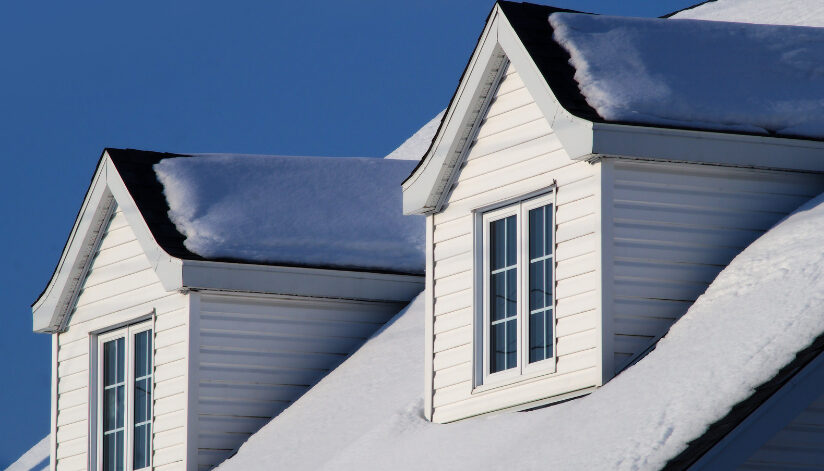
When snow starts piling up on a roof, homeowners often notice ridge vents, box vents, or other exhaust vents surrounded by snow and wonder whether the attic is still getting enough airflow. The concern makes sense because winter ventilation plays an important role in controlling attic moisture and keeping roof temperatures more consistent.
Snow around a roof vent does not automatically mean the ventilation system has stopped working. Some vents continue moving air even when snow surrounds portions of them. Problems become more likely when snow, ice, debris, or poor ventilation design significantly restricts airflow through the attic. When winter ventilation falls short, warm, moist household air can collect in the attic and condense against cold roof decking. That moisture sometimes appears as frost on nails, rafters, or sheathing. As temperatures change, the frost melts and might wet insulation, stain ceilings, or contribute to longer-term moisture problems.
At Ledegar Roofing, we look at winter ventilation as part of the complete roofing system. Roof vents matter, but so do soffit vents, insulation, attic air sealing, indoor humidity, and the way the roof handles snow and ice.
How Does Attic Ventilation Work During Winter?
A properly ventilated attic uses both intake and exhaust ventilation. Cooler outdoor air generally enters through vents near the lower portion of the roof, often at the soffits, while warmer attic air exits through vents higher on the roof.
Common exhaust ventilation includes:
- Ridge vents
- Box vents
- Static roof vents
- Other roof-mounted exhaust systems
The goal is not to make the attic warm. In winter, good ventilation helps keep attic conditions closer to outdoor temperatures while allowing moisture to escape. This becomes important because normal household activity creates moisture. Cooking, showering, laundry, humidifiers, and everyday living all add water vapor to indoor air. Some of that warm, moist air finds its way into the attic through gaps around light fixtures, attic hatches, plumbing penetrations, wiring, ductwork, and other openings. If moisture enters the attic faster than the space can manage it, winter problems start to appear.
What Happens When Snow Covers Roof Vents?
Snow covering part of a roof vent does not necessarily create an immediate problem. Roof design, vent style, snow depth, wind, and attic conditions all affect whether airflow becomes meaningfully restricted. Ridge vents often sit along the highest point of the roof, where wind sometimes keeps snow from accumulating evenly. Other roof vents might become surrounded by deeper snow, especially after heavy snowfall or drifting.
The concern grows when vents become packed with snow or ice and airflow drops significantly for an extended period. If exhaust ventilation becomes restricted while warm, moist air continues entering the attic from the home below, moisture has fewer ways to escape. That imbalance can lead to condensation and frost.Homeowners should also keep in mind that exhaust vents represent only half of the ventilation system. If soffit vents are blocked by insulation, ice, or debris, attic airflow can suffer even when the roof vents themselves remain clear.
Why Does Frost Form Inside an Attic?
Attic frost forms when warm, moisture-filled air reaches surfaces cold enough for the moisture to freeze. Roof decking, nails, rafters, and other attic materials become extremely cold during Wisconsin winter weather. When humid indoor air leaks into that cold space, water vapor can condense and freeze on those surfaces.
A small amount of frost after an extreme cold spell does not always point to a major roofing problem. Heavy, recurring frost deserves more attention because it suggests moisture is entering the attic faster than the ventilation and air-sealing system can handle it.
Common signs include:
- Frost on roof nails
- White frost on roof sheathing
- Frost along rafters or trusses
- Damp or compressed attic insulation
- Water stains after temperatures warm
- Musty attic odors
- Darkened roof decking
The problem often becomes most noticeable when temperatures rise. Frost that accumulated during cold weather melts, and homeowners suddenly notice wet insulation or ceiling stains.
Poor Ventilation Is Only Part of the Frost Problem
Homeowners sometimes assume more roof vents will automatically solve attic frost. The real cause often involves several factors working together.
Ventilation helps remove moisture, but the first question should be how much warm, humid air is reaching the attic in the first place.
Air leakage from the home frequently contributes to winter attic moisture. Common leakage points include recessed lights, attic access panels, plumbing openings, electrical penetrations, and gaps around framing.
Bathroom exhaust fans create another common problem when ductwork terminates inside the attic instead of venting outdoors. A bathroom fan moves a large amount of warm, humid air, and dumping that moisture directly into a cold attic creates ideal conditions for frost and condensation. A complete evaluation therefore needs to look at ventilation, insulation, air sealing, and mechanical exhaust together.
How Blocked Soffit Vents Affect Winter Roof Ventilation
Soffit vents bring outside air into the attic near the lower edge of the roof. Without enough intake airflow, exhaust vents higher on the roof cannot work as effectively. Insulation sometimes blocks soffit vents, especially in older attics or after insulation has been added. Debris, paint, and other materials can also restrict openings.
Properly installed baffles or ventilation chutes help preserve an airflow path from the soffit into the attic while allowing insulation to remain where it belongs.
If a home has plenty of roof vents but poor intake, the system might still struggle with winter moisture. Balance matters more than simply adding another vent to the roof.
Can Poor Roof Ventilation Contribute to Ice Dams?
Yes, although ventilation is only one part of the ice-dam equation. Ice dams form when snow melts higher on the roof and the water flows toward colder roof edges, where it refreezes. Heat escaping from the home often contributes to uneven roof temperatures.
Poor attic insulation and air leakage allow more household heat to reach the roof deck. Ventilation helps manage attic temperature and moisture, but ventilation alone does not correct major heat loss.
A home with recurring ice dams deserves a broader evaluation that looks at:
- Attic insulation
- Air leakage
- Soffit ventilation
- Exhaust ventilation
- Roof design
- Snow accumulation
- Indoor humidity
Solving only one part of the system often leaves the underlying problem in place.
Does Uneven Snow Melt Point to a Ventilation Problem?
Sometimes. One part of a roof melting faster than another can indicate heat escaping from the house into the attic. Insulation gaps, air leaks, ductwork, recessed lighting, and other heat sources sometimes create warmer areas beneath the roof.
Sun exposure also affects snow patterns. A south-facing roof slope often melts faster than a shaded north-facing slope, so uneven snow alone does not prove something is wrong. Patterns deserve attention when they consistently appear in the same unusual locations. A warm strip above a particular room or a bare patch surrounded by snow might point toward heat loss worth investigating.
Looking at snow patterns from the ground gives homeowners useful information without requiring anyone to climb onto a winter roof.
Should You Remove Snow from Roof Vents?
Homeowners should be careful about climbing onto a snow-covered roof or trying to clear roof vents from a ladder. Snow and ice make roof surfaces especially dangerous, and damaging a vent or surrounding shingles creates another problem. If heavy snow appears to have buried roof vents and attic moisture problems are developing, professional evaluation is the safer approach.
A roofing professional can assess whether the vents are actually restricted, whether the system has enough intake and exhaust ventilation, and whether frost or condensation has started forming inside the attic. The goal is not to keep every inch around every roof vent completely snow-free. The goal is to maintain enough airflow for the attic system to function properly.
Indoor Humidity Matters During Winter
Ventilation becomes more challenging when indoor humidity remains high during cold weather. Homes often feel dry in winter, which leads some homeowners to run humidifiers aggressively. If indoor humidity rises too high, more moisture becomes available to leak into the attic. The colder the outdoor temperature, the easier it becomes for that moisture to condense on cold surfaces. Signs indoor humidity might be contributing include frequent window condensation, moisture along exterior walls, and heavy attic frost.
Reducing unnecessary indoor moisture often forms part of the solution. Bathroom fans should vent outdoors and run long enough to remove moisture after showers. Kitchen exhaust should also move humid air outside when possible.
What Should a Winter Attic Inspection Include?
A useful winter attic inspection looks at more than the vents visible on the roof. A roofing professional should evaluate how the entire attic handles heat and moisture. This includes checking roof decking, insulation, ventilation paths, visible frost, and signs of air leakage.
Areas worth reviewing include:
- Ridge or roof vents
- Soffit vents
- Ventilation baffles
- Attic insulation
- Roof decking
- Frost or condensation
- Bathroom exhaust ducts
- Attic access points
- Recessed light areas
- Signs of previous water damage
The inspection should also consider conditions outside the attic. Snow-melt patterns, ice buildup, roof design, and vent placement all help explain what is happening inside.
When Does Winter Roof Ventilation Need Professional Attention?
Not every snow-covered vent requires a service call. Homeowners should pay closer attention when blocked vents appear alongside signs of moisture or uneven roof performance.
Schedule an inspection when you notice:
- Heavy frost inside the attic
- Wet insulation
- Ceiling stains after cold weather
- Recurring ice dams
- Unusual snow-melt patterns
- Musty attic odors
- Visible condensation
- Bathroom fans venting into the attic
- Soffit vents covered or blocked
- Roof vents repeatedly buried by snow and ice
These signs do not automatically mean the roof needs replacement. Many winter ventilation problems involve insulation, air sealing, ventilation balance, or maintenance rather than the roofing materials themselves. Finding the cause early helps prevent repeated moisture exposure from damaging the roof decking or insulation.
Why Winter Ventilation Problems Should Not Be Ignored
Moisture problems often develop quietly. A roof leak usually gets attention because water enters a visible room. Attic condensation is easier to miss because the moisture might remain above the ceiling for weeks or months before showing obvious signs.
Repeated wetting can affect insulation performance and contribute to staining or deterioration of wood components. Over time, unresolved moisture also creates conditions homeowners would rather avoid inside an enclosed attic.
Winter provides a useful opportunity to evaluate these problems because cold weather exposes ventilation weaknesses that might stay hidden during warmer months. At Ledegar Roofing, the goal is to understand why moisture is appearing instead of assuming one more roof vent will solve the problem. The best solution depends on how heat, air, insulation, and ventilation interact in that specific home.
Frequently Asked Questions About Winter Roof Ventilation
Is It Normal for Snow to Cover Roof Vents?
Some snow around or over roof vents is common during winter. Concern increases when snow or ice significantly restricts airflow for long periods or when attic frost, condensation, or moisture problems appear at the same time.
Should My Attic Be Cold in Winter?
A well-insulated and ventilated attic generally stays much closer to outdoor temperature than the heated living space below. Large amounts of household heat reaching the attic often point toward insulation or air-leakage concerns.
Does Attic Frost Mean I Need a New Roof?
No. Attic frost often results from warm, moist indoor air reaching cold attic surfaces. Ventilation, insulation, air sealing, indoor humidity, and exhaust ducts should all be evaluated before blaming the roofing materials.
Can Blocked Soffit Vents Cause Condensation?
Yes. Soffit vents provide intake air needed for balanced attic ventilation. When insulation or debris blocks those openings, moisture and heat become harder to manage.
Will Adding More Roof Vents Fix Attic Moisture?
Not always. More exhaust ventilation does not correct blocked intake vents, poor insulation, high indoor humidity, or major air leaks from the living space. A complete attic evaluation helps identify the actual cause.
When Should I Have My Attic Ventilation Inspected?
Schedule an inspection when you notice recurring frost, wet insulation, ceiling stains, ice dams, unusual snow melt, or other signs of winter moisture. Those symptoms provide useful clues about how the roofing and attic systems are performing during cold weather.