Why Spring Is the Best Time to Inspect Commercial Roof Seams and Joints
Commercial roofs rarely fail all at once. Most problems begin at seams, joints, and transitions. These areas handle movement, water flow, and constant exposure to weather. When they weaken, leaks follow.
You may not notice anything from the ground. The roof looks intact. There are no visible holes or missing sections. But small separations at seams or joints often allow water to enter long before obvious damage appears.
At Ledegar Roofing, we work with commercial property owners throughout La Crosse and surrounding areas to identify these early warning signs. Spring is one of the most effective times to inspect seams and joints, because winter stress has already done its work and rain is on the way.
Here is why this timing matters and what to look for.
Understand Where Seams and Joints Exist
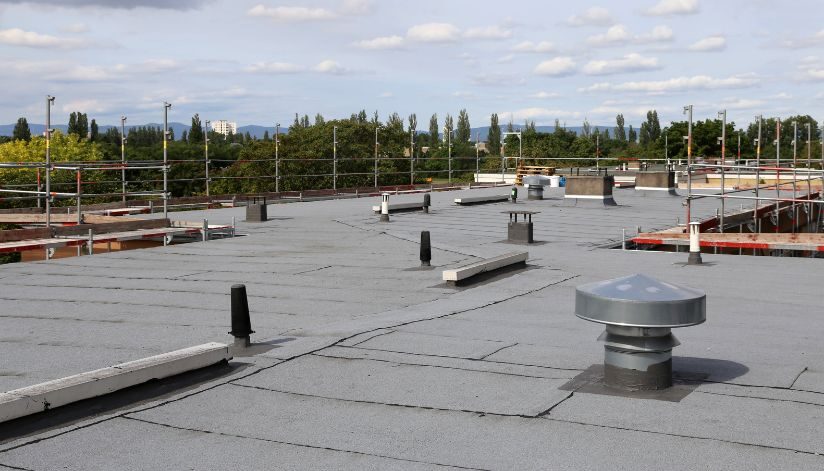
Flat and low-slope commercial roofs rely on seams to connect sections of roofing material. Joints also exist where the roof meets walls, parapets, curbs, and other structures.
These areas include:
- Membrane seams on TPO, EPDM, or PVC roofs
- Transitions at roof edges and parapet walls
- Connections around rooftop equipment
- Flashing at vertical surfaces and penetrations
Each of these points must remain sealed to keep water out. When they fail, water travels beneath the surface and spreads.
How Winter Affects These Areas
Winter creates constant expansion and contraction. Materials shift as temperatures rise and fall. Ice forms, melts, and forms again. Snow sits on the surface and adds weight.
Over time, this movement weakens seams and joints. Adhesives lose strength. Mechanical fasteners loosen. Flashing pulls away from vertical surfaces.
By the time winter ends, these areas are often under stress even if the roof still looks intact.
Why Spring Reveals the Damage
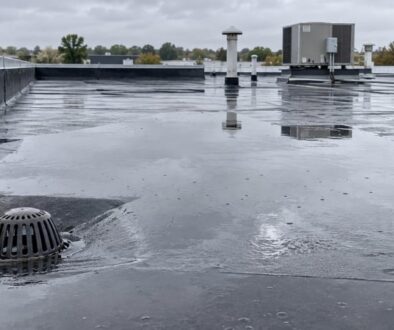
Spring introduces consistent moisture. Rain replaces snow. Water flows more freely across the roof surface and seeks out any weak point.
Seams that held during freezing conditions may begin to separate. Joints that were tight in winter may open slightly as materials shift.
This is when problems become easier to detect. Water may begin to enter at small gaps, creating early-stage leaks that can still be addressed before they spread.
Look for Early Warning Signs
A spring walkthrough can reveal changes that point to seam or joint failure.
Watch for:
- Open or lifting membrane seams
- Wrinkling or bubbling along seam lines
- Loose flashing at walls or curbs
- Staining near roof edges or vertical transitions
- Small areas of ponding water near seams
These signs often appear before interior leaks develop. Catching them early reduces repair scope and cost.
Understand the Risk of Delayed Repairs
When seams or joints fail, water does not stay in one place. It moves beneath the membrane and spreads across insulation and decking.
This leads to:
- Saturated insulation that loses effectiveness
- Increased energy costs
- Interior leaks that appear far from the source
- Structural deterioration over time
What begins as a small separation can affect large areas if left unaddressed.
Evaluate Rooftop Equipment Connections
Many seam failures occur around rooftop equipment. HVAC units, vents, and curbs require proper sealing where they meet the roof surface.
Check for:
- Cracked sealant around equipment bases
- Gaps forming at flashing edges
- Movement in metal components or curbs
These areas experience frequent stress and often show early signs of wear.
Why Spring Is the Right Time to Act
Spring creates a window of opportunity. Winter damage has occurred, but peak storm season has not yet arrived.
Addressing seam and joint issues now allows property owners to:
- Prevent leaks before heavy rain
- Schedule repairs before peak demand
- Protect insulation and interior spaces
- Maintain consistent building performance
Waiting until summer often means reacting to active leaks instead of preventing them.
When to Schedule a Professional Inspection
While a visual walkthrough helps identify obvious concerns, seams and joints require close inspection. Subtle separations and adhesion issues are not always visible without experience.
A professional inspection evaluates:
- Seam integrity across the entire roof surface
- Flashing attachment and condition
- Moisture levels within insulation layers
- Areas of stress around penetrations and transitions
At Ledegar Roofing, we provide detailed commercial roof inspections for properties in La Crosse, Onalaska, Holmen, Winona, and surrounding areas. Our team focuses on identifying early-stage issues so repairs can be completed before they escalate.
Protect Your Building Before Problems Spread
Seams and joints are the most vulnerable parts of a commercial roof. When they fail, the effects extend beyond the surface. Spring inspections help you stay ahead of damage. They provide clarity, reduce risk, and support long-term performance.
If your commercial roof has not been inspected since winter, now is the time. Visit ledegarroofing.com/contact or call our team at 608-785-0901 today to schedule a consultation. A small repair today protects your building from larger problems tomorrow.