How to Spot Gutter Damage After Heavy Spring Rain
Spring rain does more than water your lawn. It puts your gutter system to the test. After a steady storm, you may notice water spilling over the edges, pooling near your foundation, or leaving streaks along your siding. These are not minor issues. They are signs your gutters are not performing the way they should.
Many homeowners do not think about their gutters until something goes wrong. By then, damage may already be underway. At Ledegar Roofing, we help homeowners across La Crosse and surrounding communities evaluate gutter performance each spring. Catching problems early protects your home from water damage and costly repairs.
Here is how to spot gutter damage after heavy spring rain and what to look for.
Watch How Gutters Perform During a Storm
One of the best times to evaluate your gutters is during rainfall. This is when issues become most visible. Instead of looking for damage after the fact, focus on how water actually moves through the system.
If water spills over the front edge, runs behind the gutter, or collects in certain sections, the system is not handling flow properly. Downspouts that overflow or back up also point to drainage problems. Even if gutters appear intact, poor performance during rain is one of the clearest signs something is wrong.
Look for Signs After the Rain Stops
Once the storm passes, the ground and exterior surfaces often tell the story. Walk around your home and pay attention to how water has affected the area.
You may notice:
- Standing water near the foundation
- Soil erosion below downspouts
- Mulch or landscaping that has shifted
- Water stains along siding or fascia
These signs suggest water is not being directed far enough away from your home. Over time, this leads to foundation stress and exterior wear.
Check for Sagging or Separation
Gutters should follow a straight, consistent line along the roof edge. When sections begin to sag or pull away, water flow becomes uneven and less effective.
Gaps between the gutter and fascia allow water to run behind the system. Sections that dip or bow tend to hold water instead of directing it toward downspouts. This added weight increases strain on fasteners and leads to further separation.
What often starts as a small alignment issue can quickly turn into a larger structural problem if not addressed.
Inspect Seams and Joints
Seams are common weak points in many gutter systems. Heavy spring rain puts pressure on these areas and exposes leaks that may not have been visible before.
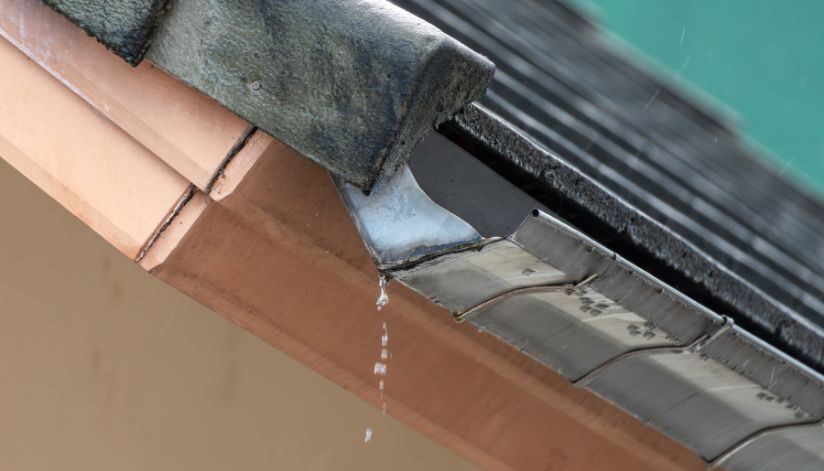
Instead of one obvious break, you may see slow dripping at connection points or staining along the exterior wall. Over time, these small leaks allow water to travel down siding and into areas that should stay dry.
Even minor seam issues deserve attention, since they rarely improve on their own.
Pay Attention to Downspout Performance
Downspouts play a major role in overall gutter performance. If they are not working correctly, the entire system struggles.
Watch how water exits the downspouts. If it pools near the base of your home or drains too slowly, the problem may be with placement, blockage, or capacity. Water should move away from the structure, not settle around it.
Downspouts that discharge too close to the home often lead to the same problems as overflowing gutters. Both allow water to collect where it can cause damage.
Understand What Causes Gutter Problems
Spring rain does not create gutter issues. It reveals them. Most problems develop over time due to debris buildup, aging materials, improper slope, or loose fasteners.
Winter conditions also play a role. Ice buildup and freeze thaw cycles put stress on seams and brackets. By the time spring arrives, the system may already be weakened. Rain simply shows where it is no longer performing as intended.
Know When Repair Is Enough
Not every issue requires full replacement. If damage is limited to one area, repair often restores proper function.
For example:
- A single sagging section
- A small seam leak
- A disconnected downspout
These types of problems are usually isolated and can be corrected without replacing the entire system.
Recognize When Replacement Makes More Sense
When issues appear across multiple areas, replacement often becomes the more practical option. Widespread sagging, repeated leaks, or consistent overflow during rain point to a system that is no longer performing as a whole.
In these cases, a new system improves drainage, reduces maintenance, and provides better long term protection for your home.
Why Spring Is the Right Time to Inspect
Spring rain provides real time feedback on how your gutters perform. It shows where water goes, where it collects, and where the system falls short.
Addressing issues now helps prevent foundation damage, siding wear, and ongoing drainage problems. It also gives you time to plan repairs before heavier storm activity later in the season.
When to Call a Professional
If you are seeing repeated overflow, pooling water, or sections pulling away from the home, a professional inspection helps identify the cause.
At Ledegar Roofing, we evaluate gutter systems for homeowners in La Crosse, Onalaska, Holmen, Winona, and surrounding areas. We look at structure, slope, and drainage performance to determine whether repair or replacement is the right solution.
Keep Your Gutters Working This Spring
Gutters protect your home by directing water away from critical areas. When they stop working, damage spreads quickly. Watching how they perform during and after rain gives you a clear picture of their condition.
If your gutters are not handling spring rain the way they should, visit ledegarroofing.com/contact or call our team at (608) 785-0901 today to schedule a consultation. Proper drainage starts with a system that works.