What to Do If You Find Water in Your Attic This Spring
Finding water in your attic is never something you want to see. You notice a damp spot on insulation. You catch a faint musty smell. You may even see staining along the wood framing. By the time these signs appear, moisture has already entered your home.
If you are unsure what is causing the problem or how serious it is, you are not alone. At Ledegar Roofing, we help homeowners throughout La Crosse and surrounding communities identify the source of attic moisture each spring. Acting quickly helps prevent structural damage, mold growth, and costly repairs.
Here is how to respond if you find water in your attic.
Start by Identifying the Source
Water in the attic does not always mean a roof leak. Several issues can lead to moisture buildup, especially during seasonal transitions.
Common causes include:
- Roof leaks from damaged shingles or flashing
- Condensation from poor attic ventilation
- Ice dam damage that developed over winter
- Leaks around vents, chimneys, or roof penetrations
Start by observing where the moisture appears. Water near roof edges may point to ice dam damage. Moisture near vents or chimneys often points to flashing or seal failure.
Look for Visible Warning Signs
Before taking action, gather as much information as possible. Small details help determine the cause and severity of the issue.
Check for:
- Water stains on rafters or roof decking
- Damp or compressed insulation
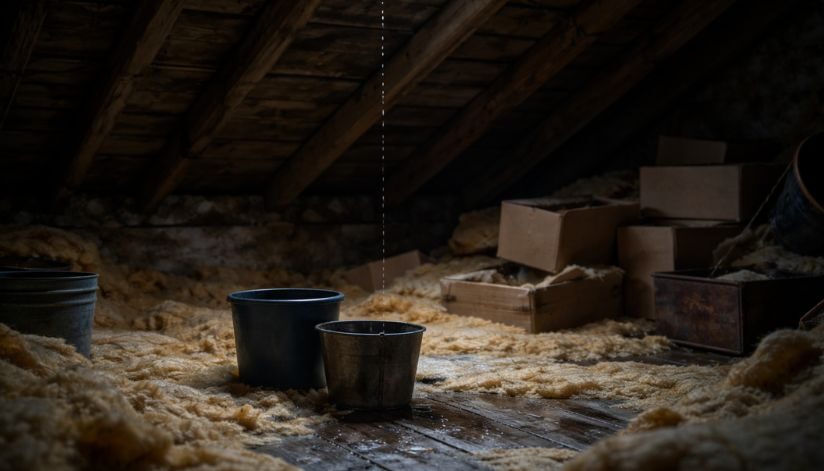
- Dripping water during rain
- Dark streaks or discoloration
- Musty odors or visible mold growth
These signs indicate how long the issue may have been present and how far moisture has spread.
Check the Roof From the Ground
Once you have inspected the attic, step outside and look at the roof from ground level. You are not looking for perfection. You are looking for anything out of place.
Watch for:
- Missing or lifted shingles
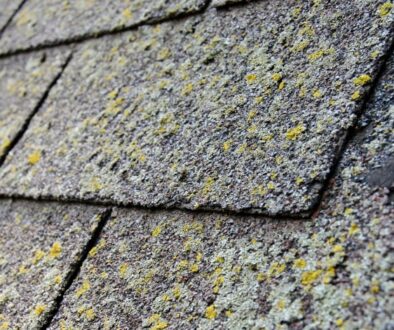
- Dark patches or uneven areas
- Damaged flashing around chimneys or vents
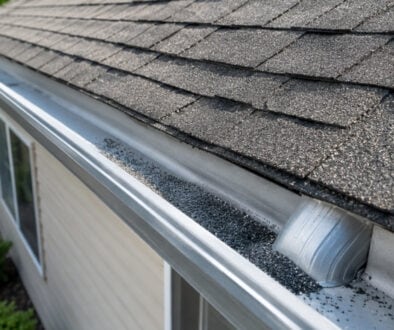
- Debris buildup in valleys or along edges
Even if nothing stands out, the problem may still exist. Many leaks are caused by small openings that are not visible without a closer inspection.
Understand the Role of Ventilation
Not all attic moisture comes from outside. Poor ventilation allows warm air to collect and condense on cold surfaces inside the attic.
When ventilation is not balanced, you may see:
- Moisture forming on the underside of the roof
- Frost buildup during colder months
- Damp insulation without a clear leak source
Proper airflow allows moisture to escape before it turns into water buildup. Soffit vents and roof vents must work together to keep air moving.
Take Immediate Steps to Limit Damage
If you find active moisture, quick action helps reduce further damage.
Start with:
- Placing a container under active drips
- Removing wet insulation if saturation is severe
- Improving airflow by ensuring vents are not blocked
- Avoiding sealing the attic too tightly without proper ventilation
These steps help manage the situation temporarily, but they do not replace a full inspection.
Know When the Problem Is Getting Worse
Some attic moisture issues remain small. Others escalate quickly, especially during spring rain.
Signs the problem is worsening include:
- Expanding water stains
- Increasing moisture after each rainfall
- Stronger odors or visible mold
- Water reaching interior ceilings
If you notice these changes, the issue likely involves active water entry and requires professional attention.
Why Spring Makes This More Urgent
Spring creates the perfect conditions for attic moisture problems to spread. Snowmelt, steady rain, and temperature changes increase the amount of water your roof must handle.
Moisture that entered during winter may not show itself until temperatures rise. Once that happens, trapped water begins to move, soak materials, and create visible damage.
Addressing the issue early prevents:
- Mold growth in attic spaces
- Damage to insulation and wood framing
- Interior ceiling stains and drywall damage
- Long-term structural concerns
When to Call a Professional
Attic moisture is often more complex than it appears. A small stain may connect to a larger issue involving roofing, flashing, or ventilation.
A professional inspection helps identify:
- The exact entry point of water
- The condition of roofing materials
- Ventilation balance and airflow issues
- Any hidden damage beneath the surface
At Ledegar Roofing, we provide detailed roof and attic inspections for homeowners in La Crosse, Onalaska, Holmen, Winona, and surrounding areas. We evaluate the full system to determine the cause and recommend the right solution.
Take Action Before Damage Spreads
Water in the attic is an early warning sign. Ignoring it allows moisture to spread into insulation, framing, and interior living spaces. Acting early keeps repairs manageable and protects your home.
If you have noticed moisture in your attic or want to rule out hidden damage this spring, visit ledegarroofing.com/contact or call our team at 608-785-0901 today to schedule a consultation. Your roof and attic work together to protect your home. Keeping both in good condition starts with knowing what to look for.