How Spring Rain Impacts Commercial Building Exteriors
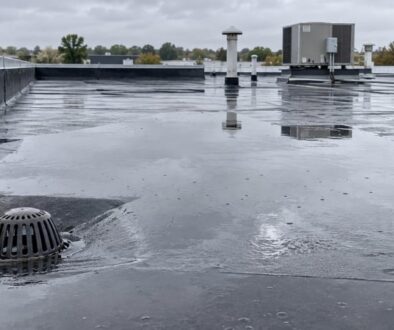
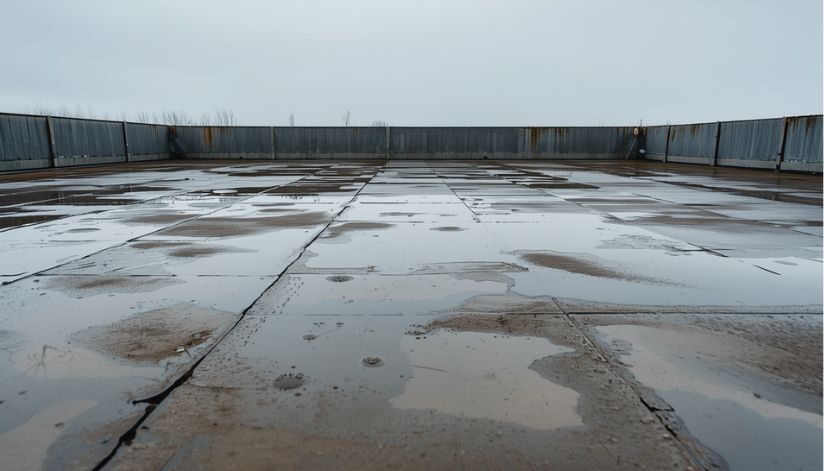
Spring rain does more than wash the exterior of a commercial building. It tests every seam, panel, and transition. Water finds weak points fast. What held through winter often shows signs of failure once steady rain begins.
You may not see damage right away. The building still looks solid from the outside. But moisture can move behind panels, into seams, and along wall systems long before visible issues appear. At Ledegar Roofing, we work with commercial property owners across La Crosse and surrounding areas to identify these problems early, before they turn into costly repairs.
Here is how spring rain impacts commercial building exteriors and what to watch for.
Understand Where Water Enters
Commercial exteriors rely on tight connections. Siding panels, joints, flashing, and transitions all work together to keep water out. When one part weakens, water finds a way in.
Common entry points include panel seams, wall transitions, and areas around windows or doors. Water does not need a large opening. Even small gaps allow moisture to move behind the surface and spread.
Once inside, water travels along insulation and framing. This is why exterior issues often lead to interior damage in places that seem unrelated.
Watch for Changes After Rain
Spring rain makes problem areas easier to spot. Instead of looking for damage at random, pay attention to how the building looks after a storm.
Look for:
- Streaking or discoloration on exterior walls
- Water marks below seams or joints
- Damp areas near the base of the building
- Changes in panel alignment
These signs suggest water is not draining or shedding properly. They often appear before more serious damage develops.
Check Panel Seams and Joints
Seams and joints are some of the most vulnerable areas on a commercial exterior. They expand and contract with temperature changes, and over time, sealants begin to break down.
When spring rain hits, weakened seams allow water to pass through. You may notice slight separation between panels or areas where sealant has cracked or pulled away.
Even minor seam issues should be addressed early. Water entering at these points rarely stays contained.
Evaluate Wall Transitions and Flashing
Transitions between materials are another common source of problems. Where siding meets roofing, trim, or structural elements, flashing must remain tight to prevent water entry.
Check these areas for movement, gaps, or visible wear. Flashing that has shifted or separated allows water to move behind panels and into the building envelope.
Spring rain puts steady pressure on these transitions. If they fail, water intrusion often follows.
Pay Attention to Drainage at Ground Level
Water management does not stop at the roof or walls. Once water reaches the ground, it still needs to move away from the building. Watch how water behaves near the base of the structure. Pooling water, soil erosion, or saturated areas near walls all point to drainage issues.
Poor drainage allows water to sit against the building. Over time, this increases the risk of moisture entering lower wall systems and foundations.
Understand the Impact on Building Performance
Moisture does more than affect appearance. It impacts how the building performs. When water enters wall systems, insulation loses effectiveness. Interior conditions become harder to control.
Long term exposure leads to:
- Insulation breakdown
- Interior wall damage
- Mold growth in hidden areas
- Increased energy costs
These problems often develop slowly. By the time they are visible, repairs are more extensive.
Know When to Take Action
Spring is the time to act on exterior issues. Rain is consistent, and problems are easier to identify. Waiting allows moisture to continue moving through the system.
If you notice repeated staining, seam separation, or drainage problems, it is time to schedule an inspection. Early repairs limit the spread of damage and protect the structure.
Why Professional Inspections Matter
Commercial exteriors involve multiple systems working together. Identifying the source of a problem requires more than a surface level check.
A professional inspection evaluates panel condition, seam integrity, flashing, and drainage performance. It also helps determine whether issues are isolated or part of a larger pattern.
At Ledegar Roofing, we provide commercial exterior inspections and repairs for properties in La Crosse, Onalaska, Holmen, Winona, and surrounding areas. Our team focuses on finding problems early so they can be addressed before they affect operations.
Protect Your Building During Spring Rain
Spring rain reveals what winter left behind. Small issues at seams, panels, and transitions become larger problems when moisture continues to move through the system.
If your building has not been evaluated since winter, now is the time. Visit ledegarroofing.com/contact or call our team at (608) 785-0901 today to schedule a consultation. A proactive inspection helps protect your building and avoid costly repairs.