Why Downspout Placement Matters More Than You Think
Downspouts are easy to overlook. They sit quietly along the corners of your home, doing their job during every rainstorm. But when they are placed incorrectly or not functioning as they should, water ends up exactly where you do not want it.
You may notice pooling water near your foundation. You might see staining on your siding or erosion in your landscaping. By the time these signs appear, drainage issues have likely been happening for some time.
At Ledegar Roofing, we help homeowners throughout La Crosse and surrounding communities evaluate how water moves around their homes. Proper downspout placement plays a major role in protecting your foundation, siding, and overall structure.
Here is why downspout placement matters and what to look for.
Understand Where Water Is Going
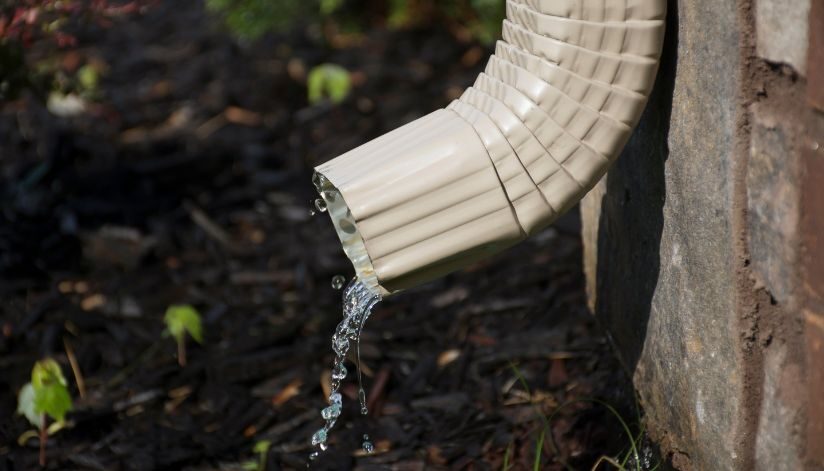
Gutters collect water from your roof. Downspouts control where that water ends up. If downspouts discharge too close to your home, water collects near the foundation instead of moving away from it.
During heavy spring rain, even a properly functioning gutter system can cause problems if the water is not directed far enough away. The goal is simple. Move water away from the home as efficiently as possible.
Look for Signs of Poor Drainage
Improper downspout placement often reveals itself through visible changes around your home.
Watch for:
- Standing water near the base of the home
- Soil erosion below downspouts
- Mulch or landscaping that washes away after storms
- Water stains along siding near ground level
- Cracks forming in concrete or foundation walls
These signs suggest water is not being carried far enough away and is instead soaking into the surrounding area.
Protect Your Foundation
Your foundation depends on stable soil conditions. When water consistently collects near the base of your home, the soil expands and contracts. Over time, this movement puts pressure on foundation walls.
This can lead to:
- Small foundation cracks
- Basement moisture or dampness
- Shifting or settling over time
Downspouts that extend several feet away from the home help reduce this risk by directing water away from the foundation.
Prevent Damage to Siding and Exterior Walls
Water that pools near the home often splashes back onto siding. Over time, this repeated exposure leads to staining, moisture intrusion, and material deterioration.
Areas most at risk include:
- Lower sections of siding
- Corners where downspouts meet the ground
- Trim and fascia near roof edges
Keeping water away from these areas helps preserve both appearance and structural integrity.
Evaluate Downspout Length and Direction
Not all downspouts are installed with proper extension. Some end right at the base of the home, allowing water to collect immediately.
Ask yourself:
- Does the downspout extend at least several feet away from the house?
- Is water directed toward a slope that carries it further away?
- Are extensions damaged, missing, or disconnected?
Simple extensions or splash blocks can improve drainage significantly when placed correctly.
Consider Yard Grading and Landscape Impact
Downspout placement works together with the slope of your yard. Even a properly extended downspout may fail if water flows back toward the home.
Check that:
- The ground slopes away from the foundation
- Water flows toward safe drainage areas
- Landscaping does not trap water near the home
Combining proper downspout placement with good grading creates an effective drainage system.
When Upgrades Make Sense
In some cases, small adjustments are enough. In others, a more complete upgrade improves long-term performance.
Upgrades may include:
- Adding longer downspout extensions
- Redirecting discharge points
- Installing underground drainage lines
- Increasing downspout capacity for larger roof areas
Homes with heavy runoff or repeated drainage issues benefit from more advanced solutions.
Why Spring Is the Right Time to Check
Spring rain places a high demand on your drainage system. Snowmelt and frequent storms move large amounts of water through gutters and downspouts.
This is when problems become most visible. Addressing them now helps prevent:
- Foundation damage
- Basement moisture issues
- Siding deterioration
- Landscape erosion
Early action keeps water moving where it should and reduces the risk of long term damage.
When to Call a Professional
If you notice ongoing drainage issues or are unsure how water is moving around your home, a professional inspection provides clarity.
At Ledegar Roofing, we evaluate gutter systems, downspout placement, and overall drainage performance for homeowners in La Crosse, Onalaska, Holmen, Winona, and surrounding areas. We look at the full picture so you can make informed decisions about repairs or upgrades.
Protect Your Home With Proper Drainage
Downspouts may seem like a small part of your home, but they play a major role in protecting your structure. Proper placement keeps water away from your foundation, preserves your siding, and supports long-term stability.
If you are seeing pooling water, erosion, or signs of moisture near your home, your downspouts may need adjustment or upgrades. Visit ledegarroofing.com/contact or call our team at 608-785-0901 today to schedule a consultation. Proper downspout placement protects your home where it matters most.