
How Hail Damage Affects Your Roof and What to Look For
Spring storms in Wisconsin often bring more than rain. Hailstorms are common this time of year, and recent storms in the La Crosse area are a good reminder of how quickly they can move through. You may hear the impact during the storm, but once it passes, your roof can look unchanged from the ground.
Hail damage does not always stand out right away. No missing shingles. No obvious leaks. Still, impact damage often sits just below the surface. Many homeowners do not realize their roof took a hit until weeks or months later, when small issues begin to spread.
At Ledegar Roofing, we inspect homes across La Crosse and surrounding communities after spring storms and often find damage homeowners did not know was there.
Here is how hail affects your roof and what you should look for after a storm.
Understand How Hail Damages Roofing Materials
Hail hits your roof with force. Even small hailstones can damage asphalt shingles, flashing, and vents. Larger hail creates more obvious impact, but even minor storms weaken materials over time.
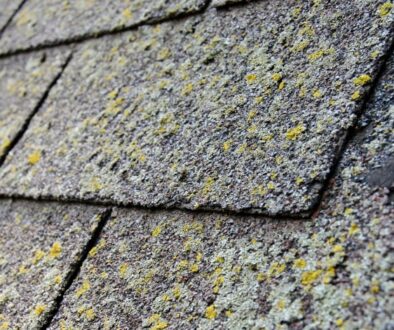
When hail strikes shingles, it knocks loose the protective granules on the surface. These granules shield the shingle from moisture and UV exposure. Once they are gone, the shingle begins to wear down faster.
Hail can also create soft spots or bruising beneath the surface. These areas may not crack right away, but they weaken the structure of the shingle and increase the risk of future leaks.
Look for Signs From the Ground
You do not need to climb onto your roof to spot early signs of hail damage. A visual check from the ground can reveal important clues.
Watch for:
- Dark spots or patches on shingles
- Dents in gutters, downspouts, or metal flashing
- Debris or granules collecting near downspouts
- Damage to siding or window trim
If you see impact marks on metal surfaces, your roof likely experienced similar contact. These signs help determine whether a closer inspection is needed.
Check Gutters and Downspouts
Gutters often show hail damage more clearly than shingles. Because they are made of metal, dents and dings are easier to spot.
Look for:
- Small dents along the gutter line
- Cracks at seams or joints
- Sections where water does not flow properly
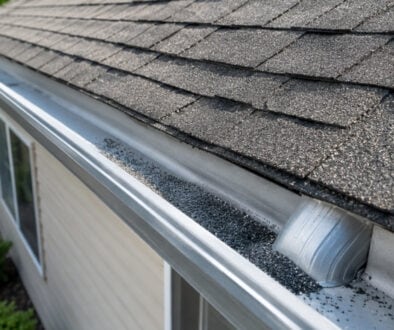
Granules from shingles often collect in gutters after a hailstorm. An unusual amount of buildup may signal surface damage on the roof.
Inspect Roof Features and Edges
Certain areas of your roof take more direct impact during a storm. These spots are more likely to show damage first.
Pay attention to:
- Roof ridges and peaks
- Edges and eaves
- Flashing around chimneys and vents
- Areas with direct exposure to wind driven hail
Damage in these areas often leads to water entry if left unaddressed.
Understand Why Damage Is Not Always Immediate
Hail damage does not always cause instant leaks. In many cases, the roof continues to perform for a period of time before problems appear.
As shingles age, the damaged areas begin to break down. Water starts to move through weakened spots.
This leads to:
- Slow leaks into attic spaces
- Moisture buildup in insulation
- Staining on ceilings and walls
Because the damage develops over time, many homeowners do not connect the issue back to the original storm.
Know When to Take Action
If your area experienced a recent hailstorm, it is worth taking a closer look at your roof even if nothing seems wrong. Early action prevents small issues from turning into larger repairs.
Consider an inspection if:
- You notice any of the signs listed above
- Neighbors report roof damage
- Your home experienced strong wind and hail conditions
- Your roof is older or already showing wear
Taking action early helps preserve the condition of your roof and avoids more extensive damage later.
Why a Professional Inspection Matters
Hail damage is not always visible from the ground. A professional inspection identifies subtle issues that are easy to miss. Roofing professionals know where to look and how to evaluate impact damage correctly.
An inspection helps determine:
- The extent of surface damage
- Whether repairs or replacement are needed
- If the damage may qualify for an insurance claim
At Ledegar Roofing, we provide detailed roof inspections for homeowners in La Crosse, Onalaska, Holmen, Winona, and surrounding areas. Our team documents damage clearly so you understand your next steps.
Protect Your Roof After a Storm
Hail damage weakens your roof even when it is not obvious. Addressing issues early protects your home from moisture intrusion and long term wear.
If your home was affected by a recent storm or you want to be sure your roof is still in good condition, visit ledegarroofing.com/contact or call our team at (608) 785-0901 today to schedule a consultation. A simple inspection now helps prevent bigger problems down the road.