What Business Owners Should Include in a Commercial Roof Maintenance Plan
Most business owners do not think about their roof every day. If the building stays dry and operations continue uninterrupted, the roof often stays out of sight and out of mind. The problem is that commercial roofs are significant investments, and like any major asset, they perform best when they are maintained consistently.
Many costly roofing projects begin with issues that could have been addressed through routine maintenance. A commercial roof maintenance plan helps property owners stay organized, extend roof lifespan, and make more informed budgeting decisions.
At Ledegar Roofing, we work with commercial property owners throughout La Crosse and surrounding communities to help protect and maintain their roofing systems. Whether you own a retail space, office building, warehouse, or industrial facility, a maintenance plan provides a roadmap for long term performance.
Here are the key components every commercial roof maintenance plan should include.
Establish a Regular Inspection Schedule
The foundation of any maintenance plan is routine inspection. Commercial roofs are exposed to weather, temperature changes, rooftop traffic, and mechanical equipment throughout the year. Regular inspections help property owners understand the condition of the roof and identify areas that need attention.
Most commercial properties benefit from inspections at least twice annually, often in the spring and fall. Additional inspections following severe weather events are also recommended.
A consistent schedule helps establish a record of roof performance and makes it easier to track changes over time.
Keep Detailed Documentation
One of the most overlooked aspects of commercial roof maintenance is documentation.
Property owners should maintain records of:
- Roof inspections
- Repairs and maintenance work
- Warranty information
Having this information readily available helps with budgeting, future planning, and warranty compliance.
Documentation also creates a useful history of the roof system. When questions arise about recurring issues or future replacement planning, accurate records provide valuable insight.
Monitor Roof Drainage Systems
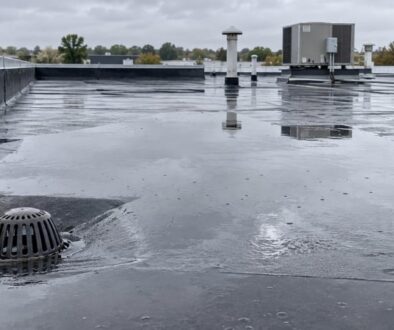
Water management plays a major role in commercial roof performance. Flat and low slope roofing systems depend on proper drainage to move water off the roof efficiently.
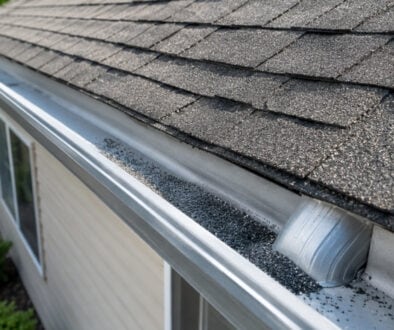
Drains, scuppers, gutters, and downspouts should be inspected regularly to ensure they remain free of obstructions. Leaves, debris, and dirt accumulation can restrict water flow and place unnecessary stress on the roofing system.
Even a small blockage can affect drainage performance during periods of heavy rainfall. Regular cleaning and monitoring help maintain proper water movement throughout the year.
Evaluate Rooftop Equipment
Many commercial roofs support equipment such as HVAC units, exhaust systems, and other mechanical components.
These installations create roof penetrations and transition points that require ongoing attention. Equipment servicing often results in rooftop traffic, which can affect roofing materials over time.
Property owners should periodically evaluate:
- Equipment supports
- Protective walk paths
- Flashing around rooftop units
Keeping these areas in good condition helps reduce wear and supports overall roof performance.
Budget for Maintenance and Repairs
One of the advantages of a formal maintenance plan is improved financial planning.
Rather than waiting for problems to appear unexpectedly, property owners can budget for routine maintenance and future repairs. This creates more predictable expenses and reduces the likelihood of emergency situations.
Maintenance planning also helps property owners prioritize projects. Some repairs may require immediate attention, while others can be scheduled as part of a longer term strategy.
A proactive approach often leads to better decision making and more efficient use of resources.
Understand Warranty Requirements
Many commercial roofing systems include manufacturer warranties. However, those warranties often come with specific maintenance expectations.
Failing to follow recommended maintenance procedures may affect warranty coverage. Property owners should understand what is required to remain compliant.
Regular inspections, documentation, and maintenance records often play an important role in demonstrating proper roof care.
Reviewing warranty requirements periodically helps ensure there are no surprises if a future claim becomes necessary.
Consider the Entire Building
A roof does not function independently from the rest of the building. Exterior walls, flashing, drainage systems, and rooftop equipment all influence overall performance.
When developing a maintenance plan, property owners should evaluate how these systems work together. Issues affecting siding, drainage, or rooftop penetrations often impact the roof as well.
Taking a broader view helps identify opportunities to improve overall building performance and reduce maintenance concerns.
Plan for Long Term Roof Life
Every commercial roof will eventually need replacement. A maintenance plan helps property owners maximize the lifespan of the current system while preparing for future investments.
Understanding the condition of the roof today makes future planning easier. Property owners can begin budgeting, evaluating options, and considering timelines well before replacement becomes necessary.
This approach reduces uncertainty and supports smarter capital planning.
Why Professional Support Matters
Commercial roofing systems vary significantly in design, materials, and maintenance needs. Working with an experienced roofing contractor helps ensure maintenance plans are tailored to the specific building.
At Ledegar Roofing, we help commercial property owners throughout La Crosse, Onalaska, Holmen, Winona, and surrounding areas develop maintenance strategies that support long term roof performance. Our team provides inspections, documentation, maintenance recommendations, and repair services designed to help property owners protect their investments.
Protect Your Commercial Roofing Investment
A commercial roof is one of the most important assets on your property. Maintaining it consistently helps extend its lifespan, improve performance, and support better financial planning.
A well structured commercial roof maintenance plan provides clarity, organization, and confidence. Instead of reacting to problems as they arise, property owners can take a proactive approach that supports both the building and the business.
If you would like to learn more about commercial roof maintenance or schedule an inspection, visit ledegarroofing.com/contact or call 608-785-0901 today. Ledegar Roofing is proud to help commercial property owners protect their buildings for the long term.