The Role of Roof Ventilation in Colder Weather
As temperatures drop in Wisconsin, homeowners often focus on insulation, heating systems, and draft-proofing. But there’s another critical part of your home’s cold-weather performance that often goes overlooked: roof ventilation.
From the roofing experts at Ledegar Roofing, here’s why proper roof ventilation matters during the colder months. It helps prevent condensation, protects insulation, and extends the life of your roof. Without it, homeowners may face higher energy bills, moisture problems, and costly repairs down the road.
Why Roof Ventilation Matters In Winter
Roof ventilation is the process of allowing air to flow into and out of your attic or roof space. In cold weather, ventilation plays a specific role in balancing temperature and controlling moisture.
When warm indoor air rises and meets a cold roof deck, condensation can form. If that moisture is trapped, it leads to mold, mildew, and wood rot. Over time, this compromises the structure of your roof and the quality of your insulation. Proper ventilation reduces this risk by maintaining steady airflow.
Preventing Condensation
Condensation is one of the biggest threats to roofs during winter. Here’s how ventilation helps:
● Moisture balance: Ventilation allows warm, moist air to escape before it condenses on cold surfaces.
● Drying effect: Continuous airflow helps dry out any moisture that does accumulate.
● Mold prevention: Keeping humidity levels under control reduces the chance of mold or mildew spreading in your attic.
Without effective ventilation, condensation can cause long-term structural damage that often goes unnoticed until major repairs are needed.
Protecting Insulation
Insulation works best when it stays dry. When moisture builds up in your attic, insulation becomes less effective at holding heat. This means:
● Your furnace has to work harder to maintain indoor temperatures.
● Energy bills increase as more heat escapes.
● Your home may feel draftier, even if insulation levels are adequate.
Ventilation helps insulation perform at its peak by keeping it dry and preventing moisture-related damage.
Extending Roof Life
Roofs are a major investment, and ventilation is one of the simplest ways to protect that investment. In winter, poor ventilation can lead to:
● Ice dams: Warm attic air melts snow on the roof, which refreezes at the edges and causes water backup under shingles.
● Shingle damage: Moisture and fluctuating temperatures can cause shingles to crack, curl, or loosen.
● Premature aging: Wood rot and mold growth weaken the roof deck and shorten the roof’s lifespan.
A properly ventilated roof helps maintain consistent temperatures and reduces the stress winter conditions place on shingles and underlying materials.
Signs Of Poor Roof Ventilation
Homeowners should look out for warning signs that their roof may not be ventilating properly:
● Frequent ice dams along roof edges
● Musty odors or visible mold in the attic
● Higher-than-expected energy bills during winter
● Uneven roof temperatures leading to patches of snow melt
● Peeling paint or moisture stains on ceilings and walls
If you notice these issues, a professional roof inspection can help determine if ventilation is the cause.
Professional Ventilation Solutions
There’s no one-size-fits-all solution for roof ventilation. The right approach depends on your home’s size, roof design, and insulation. Common systems include:
● Ridge vents: Installed along the peak of the roof to allow hot air to escape.
● Soffit vents: Placed under eaves to bring in cooler air from outside.
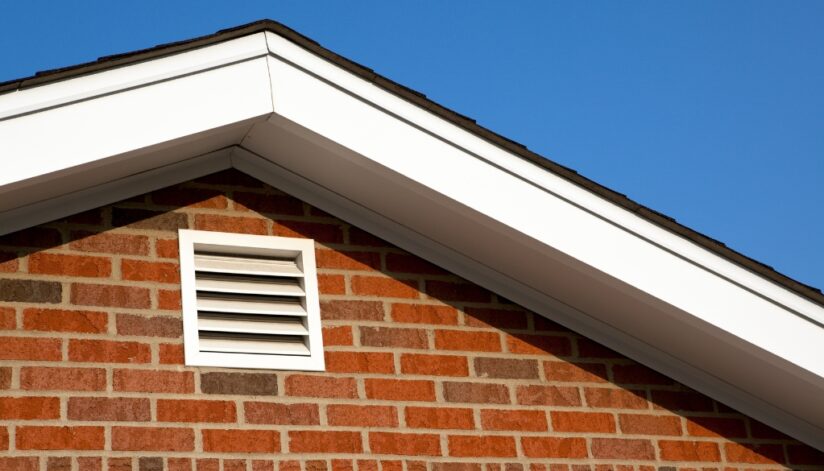
● Gable vents: Installed on exterior walls near the roof peak for cross ventilation.
● Powered vents: Use fans to actively move air when natural airflow isn’t sufficient.
A roofing professional can evaluate your current system and recommend upgrades to keep your roof protected during winter.
Protect Your Home This Winter
Proper roof ventilation is one of the most effective ways to prevent cold-weather damage, protect insulation, and extend the life of your roof. By addressing ventilation issues now, you can avoid costly repairs, improve energy efficiency, and keep your home safe and comfortable all season long.
At Ledegar Roofing, we provide expert inspections and ventilation solutions for homes in La Crosse, Onalaska, West Salem, and surrounding areas. Our team understands how harsh winters affect roofs and knows how to design systems that perform year-round.
Contact Ledegar Roofing today to schedule a roof inspection and ensure your home is ready for colder weather.