How Long Should The Lifespan of Major Parts Of A Home Be?
Owning a home comes with a long list of responsibilities, and one of the biggest is maintaining the systems and components that keep the property functioning properly. While no part of a home lasts forever, many homeowners are surprised to learn how much lifespan of home components can vary depending on the material, installation quality, weather exposure, and maintenance history.
Understanding how long major components typically last helps homeowners plan ahead, budget more effectively, and avoid being caught off guard by major repairs or replacements. Instead of waiting for something to fail unexpectedly, you can make informed decisions about maintenance and future investments.
Here is a general overview of how long some of the most important parts of a home typically last.
Roofs
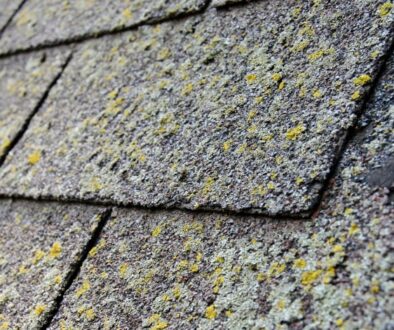
A roof is one of the most critical systems on any home. It protects everything beneath it from rain, snow, wind, and temperature changes.
The lifespan of a roof depends largely on the material used. Traditional asphalt shingle roofs often last between 20 and 30 years, while premium products may last longer. Metal roofing systems can often provide several decades of service when properly maintained.
Factors that influence roof lifespan include:
- Material quality
- Installation quality
- Ventilation
- Weather exposure
- Maintenance practices
Regular inspections help homeowners identify issues before they shorten the life of the roofing system.
Siding
Siding serves as the protective shell of the home, shielding walls from moisture and weather while contributing to curb appeal.
Different siding materials have different life expectancies. Vinyl siding commonly lasts 20 to 40 years depending on quality and environmental conditions. Steel siding often lasts even longer with proper maintenance. Engineered wood and fiber cement products also offer impressive durability when properly installed and maintained.
The longevity of siding is influenced by factors such as sun exposure, moisture, severe weather, and routine upkeep.
Gutters
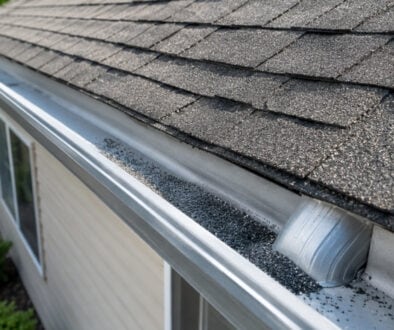
Gutters may not receive much attention, but they play a major role in protecting the home from water damage.
Most aluminum gutter systems last approximately 20 years or more. Their lifespan depends on maintenance, weather exposure, and whether they remain free of debris and standing water.
Homeowners should watch for signs such as:
- Sagging sections
- Persistent leaks
- Rust or corrosion
- Improper drainage
Addressing small issues early often extends the lifespan of home components.
Windows
Windows contribute to energy efficiency, comfort, and appearance. While they may remain functional for decades, performance often changes as they age.
Many modern windows last between 20 and 30 years. However, factors such as seal failure, frame deterioration, and hardware wear can affect performance sooner.
Signs that windows may need attention include drafts, condensation between panes, difficulty operating the window, and rising energy costs.
Replacing aging windows often improves comfort and efficiency throughout the home.
HVAC Systems
Heating and cooling systems work hard throughout Wisconsin’s changing seasons.
Most furnaces and air conditioning systems have an average lifespan of 15 to 20 years, although proper maintenance can sometimes extend that timeframe.
Routine servicing helps maximize efficiency and identify potential issues before they become major repairs.
Homeowners should pay attention to:
- Rising utility bills
- Uneven temperatures
- Frequent repairs
- Reduced performance
These signs often indicate a system is approaching the end of its useful life.
Water Heaters
Water heaters are easy to overlook because they typically operate behind the scenes. However, they are one of the most important systems in the home.
Traditional tank water heaters often last between 8 and 12 years. Tankless systems may last longer depending on maintenance and water quality.
Warning signs of aging include inconsistent hot water, unusual noises, corrosion, and leaks around the unit.
Planning ahead for replacement helps avoid unexpected disruptions.
Appliances
Major household appliances have varying lifespans depending on use and maintenance.
Common averages include:
- Refrigerators: 10 to 15 years
- Dishwashers: 8 to 12 years
- Washing machines: 10 to 15 years
- Dryers: 10 to 15 years
While these numbers vary, understanding general expectations helps homeowners prepare for future replacement costs.
Decks and Exterior Features
Outdoor living spaces also require ongoing attention.
Wood decks often last 10 to 20 years depending on maintenance and exposure. Composite decking products may last significantly longer.
Homeowners should periodically inspect for:
- Loose boards
- Structural movement
- Rot or deterioration
- Fastener issues
Regular maintenance helps maximize safety and longevity.
Lifespans Are Only Part of the Story
While average lifespans provide useful guidance, the true lifespan of home components varies.
A well maintained roof may outlast its expected lifespan. A neglected HVAC system may require replacement sooner than anticipated. Installation quality, climate, usage patterns, and maintenance all play important roles.
Rather than viewing lifespan estimates as expiration dates, homeowners should treat them as planning tools.
Knowing what to expect allows you to budget appropriately and avoid major surprises.
A Well Maintained Home Performs Better
Every major system in your home works together to provide comfort, protection, and value. Understanding how long those systems typically last helps you stay ahead of maintenance needs and make smarter investment decisions.
At Ledegar Roofing, we help homeowners throughout La Crosse, Onalaska, Holmen, Winona, and surrounding communities evaluate roofing, siding, gutters, and other exterior systems so they can plan for the future with confidence.
If you have questions about the condition of your roof, siding, or gutters, visit ledegarroofing.com/contact or call 608-785-0901 today.