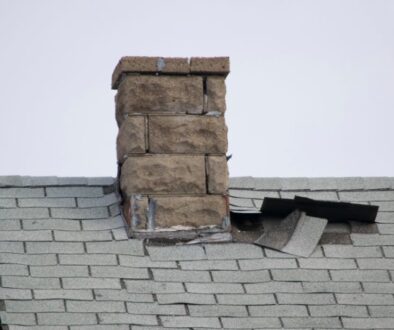

Why Chimney Caps And Crowns Deserve More Attention This Fall
As Wisconsin temperatures drop, homeowners focus on furnaces and fireplaces—but often forget the structures above them. Chimney caps and crowns play a major role in keeping your home dry and safe through fall and winter. When neglected, they allow rain, snow, and animals to enter, causing expensive damage.
Ledegar Roofing inspects and repairs these critical components throughout the Coulee Region to prevent leaks, nesting, and freeze-related cracking common in older homes.
Understanding The Role Of Chimney Caps And Crowns
A chimney crown is the concrete or mortar surface that seals the top of a masonry chimney. It slopes outward to shed water away from the flue and brickwork below. A chimney cap sits above that crown—usually metal—and covers the flue opening while allowing smoke and gases to vent.
Together, these two features serve as the chimney’s first line of defense against moisture, debris, and animals. Without proper maintenance, they quickly become a weak point for water intrusion and structural decay.
How Water Intrusion Damages Chimneys
Water is the leading cause of chimney deterioration. When rain or melting snow seeps into cracks in the crown, it penetrates the brick and mortar below. During freeze-thaw cycles, trapped moisture expands and widens those cracks, breaking down the chimney from the inside out.
Signs of water damage include:
- White staining (efflorescence) on chimney brick
- Crumbling mortar joints or missing pieces
- Rust on the damper or firebox components
- Water stains on ceilings or walls near the chimney
Even minor cracks can lead to leaks that travel into attic insulation or ceiling drywall. Once this happens, repairs become far more extensive.
The Importance Of A Proper Chimney Cap
A high-quality chimney cap prevents several common problems at once:
1. Stops water entry.
The metal top deflects rain and snow away from the flue opening. It also keeps moisture off the crown itself, extending its life.
2. Keeps animals out.
Birds, squirrels, and raccoons often see open chimneys as nesting spots. A mesh-sided cap blocks entry while allowing smoke to escape.
3. Prevents debris buildup.
Leaves and twigs inside the flue create airflow blockages and increase fire risk. The cap’s screen keeps them out.
4. Reduces downdrafts.
Caps help stabilize airflow, preventing smoke from reentering your home during windy days.
When combined with a well-sealed crown, a cap offers year-round protection for both your roof and fireplace system.
Why Chimney Crowns Fail Over Time
Older Wisconsin homes often have chimney crowns made of basic mortar, which deteriorates faster than modern concrete or pre-cast designs. Decades of freeze-thaw cycles cause cracking and separation between the crown and flue liner. Once these gaps form, water works its way underneath.
Common problems include:
- Hairline cracks that expand during freezing weather
- Missing mortar around the flue tile
- Flat or uneven crowns that fail to shed water properly
Replacing or resurfacing the crown before winter prevents further masonry damage and helps maintain chimney stability for years.
Seasonal Risks Unique To Wisconsin Homes
Wisconsin’s climate poses several challenges that make fall chimney maintenance essential:
- Frequent freeze-thaw cycles expand small cracks in crowns and mortar.
- Heavy snow accumulation adds weight and allows moisture to linger for days.
- Strong winds carry debris and push water horizontally into unsealed joints.
- Older masonry chimneys often lack modern waterproofing or cap systems.
For homeowners with vintage or historic homes in La Crosse, addressing these weak points is critical to preserving both structure and safety.
Signs Your Chimney Cap Or Crown Needs Repair
Look for these warning signs before winter:
- Visible cracks or crumbling concrete on the crown
- Rust streaks or staining around the chimney top
- Missing or damaged chimney cap mesh
- Water stains near the fireplace or attic
- Animal noises inside the flue
If you see any of these indicators, schedule an inspection right away. Delaying until spring often leads to greater water damage once snow begins to melt.
Professional Inspection And Maintenance
- Chimney repairs are best handled by trained professionals who understand roofing and masonry systems. During a fall inspection, Ledegar Roofing checks for:
- Proper crown slope and seal around the flue liner
- Rust, corrosion, or loose fasteners on the cap
- Gaps between flashing and chimney brick
- Evidence of past leaks or water staining
If necessary, they can reseal crowns with waterproof coatings, replace damaged caps, and repair flashing—all in one visit.
Preventing Future Damage
A few proactive steps can keep your chimney in top shape through Wisconsin winters:
- Schedule annual inspections before the first freeze.
- Remove nearby tree branches that drop debris onto the chimney.
- Apply masonry waterproofing treatments every few years.
- Replace aging mortar crowns with reinforced concrete versions.
- Install a durable stainless steel cap to resist rust and corrosion.
These measures extend the life of both your chimney and your roof system.
Protect Your Chimney This Fall with Ledegar Roofing
Chimney caps and crowns may not draw much attention, but they protect one of your home’s most vulnerable areas. A small crack or missing screen can lead to major water intrusion, animal nests, and freeze damage during the Coulee Region’s long winter months.
Ledegar Roofing’s experienced team inspects, repairs, and replaces these essential components to keep your chimney dry, stable, and ready for the heating season. Schedule your fall inspection now to ensure lasting protection for your home.
Need help? Call 608-785-0901 or request a free estimate online today.