How Summer Heat Affects Your Roof More Than You Think
Summer is a welcome change for many Wisconsin homeowners. The days are longer, the weather is warmer, and outdoor projects are in full swing. While many people focus on protecting their homes from winter snow and ice, fewer realize that summer heat can be just as demanding on a roofing system.
Your roof works hard year round. During the summer months, it absorbs hours of direct sunlight and experiences significant temperature fluctuations between day and night. Over time, this constant exposure affects roofing materials in ways that are not always obvious from the ground and lead to summer roof damage.
At Ledegar Roofing, we help homeowners throughout La Crosse and surrounding communities understand how seasonal weather impacts their roofs. While storms often receive the most attention, heat and sunlight play a major role in the long term condition of a roofing system
Here is how summer heat affects your roof and why seasonal inspections remain important even during clear weather.
Your Roof Gets Hotter Than You Think
When the air temperature reaches 85 degrees, your roof surface can become significantly hotter. Dark roofing materials absorb sunlight throughout the day, causing surface temperatures to rise well beyond the outside temperature.
In many cases, asphalt shingles can reach temperatures exceeding 150 degrees during peak summer conditions.
This heat exposure is normal, and roofing materials are designed to withstand it. However, years of repeated heating and cooling gradually take a toll on the roof’s components.
The process is similar to other materials that expand and contract with temperature changes. Over time, those cycles create wear.
Thermal Expansion Affects Roofing Materials
One of the biggest effects of summer heat is thermal expansion.
As temperatures rise, roofing materials expand. As temperatures cool overnight, they contract. This daily cycle repeats throughout the summer.
While the movement may be small, the cumulative effect matters. Expansion and contraction place stress on:
- Shingles
- Flashing
- Fasteners
Areas where different materials meet are often affected the most. Roof penetrations, valleys, and flashing transitions experience constant movement as temperatures fluctuate.
Over time, these areas may become more vulnerable to wear.
Sunlight Accelerates Material Aging
Heat is only part of the equation. Ultraviolet radiation from the sun also affects roofing materials.
UV exposure gradually breaks down the compounds that give shingles their flexibility and durability. As roofing materials age, they become more brittle and less resilient.
Homeowners may notice:
- Fading coloration
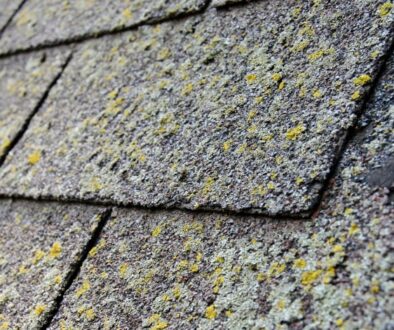
- Increased granule loss
- Curling or cracking shingles
These changes often occur gradually, making them easy to overlook until more significant wear develops.
The amount of sun exposure a roof receives can influence how quickly materials age over time.
Attic Temperatures Matter Too
The effects of summer roof damage are not limited to the surface.
Without proper ventilation, heat builds up inside the attic. Temperatures can become significantly higher than outdoor conditions, placing additional stress on the roofing system from below.
Excessive attic heat can contribute to:
- Increased energy costs
- Reduced indoor comfort
- Premature aging of roofing materials
Proper attic ventilation helps move hot air out of the attic and supports more consistent roof performance throughout the summer.
This is one reason ventilation remains an important part of every roofing system.
Flashing and Sealants Face Summer Stress
Many homeowners focus primarily on shingles, but flashing and sealants are often affected by summer temperatures as well.
Flashing protects vulnerable areas around chimneys, vents, skylights, and roof transitions. Sealants help create watertight connections between materials.
As temperatures rise, these components expand and contract repeatedly. Over time, sealants may dry out, crack, or lose flexibility.
Because flashing often protects the most vulnerable areas of the roof, maintaining these components is essential for long term performance.
Trees Can Influence Heat Exposure
Landscaping also affects how a roof handles summer weather.
Trees provide shade that can help reduce surface temperatures during the hottest parts of the day. However, excessive shade can create other maintenance concerns related to moisture and debris.
The goal is balance. Properly maintained trees help protect the home while still allowing adequate airflow and sunlight.
Homeowners should periodically evaluate nearby branches to ensure they are not creating additional risks for the roofing system.
Not All Roofing Materials Respond the Same Way
Different roofing materials perform differently in hot weather.
Asphalt shingles remain one of the most popular residential roofing options and are designed to handle a wide range of temperatures. Metal roofing has also become increasingly popular because it reflects more sunlight and experiences less heat absorption than many traditional materials.
Material selection plays a role in energy efficiency, maintenance requirements, and overall roof performance.
Homeowners considering future roof replacement projects often evaluate these factors when comparing options.
Summer Is a Good Time for Roofing Evaluations
Because weather conditions are generally more predictable during the summer, it is an excellent time to assess the condition of your roof and mitigate any summer roof damage.
An inspection can help identify areas affected by:
- Seasonal wear
- UV exposure
- Flashing deterioration
Addressing concerns early helps homeowners make informed decisions about maintenance and future planning.
At Ledegar Roofing, we evaluate roofing systems as a whole, helping homeowners understand how weather, ventilation, materials, and age all contribute to long term performance.
Protect Your Roof Through Every Season
Winter weather may be the most obvious challenge for Wisconsin roofs, but summer heat creates its own set of demands. Daily temperature changes, UV exposure, and attic heat all contribute to the aging process.
Understanding how these factors affect your roof helps you make smarter maintenance decisions and extend the life of your roofing system.
If you have questions about your roof’s condition or would like a professional evaluation, Ledegar Roofing proudly serves homeowners throughout La Crosse, Onalaska, Holmen, Winona, and surrounding communities. Visit ledegarroofing.com/contact or call 608-785-0901 today to schedule a consultation.