How Trees Around Your Home Affect Your Roof, Gutters, and Siding
Trees are one of the most valuable features a property can have. They provide shade, improve curb appeal, and create a more comfortable outdoor environment. However, trees also have a direct impact on your home’s exterior. Branches, leaves, moisture, and even root systems can affect the condition of your roof, gutters, and siding throughout the year.
Many homeowners focus on maintaining their trees without considering how those trees interact with their home. At Ledegar Roofing, we often see exterior damage that can be traced back to nearby landscaping. Understanding the relationship between your trees and your home’s exterior can help you make informed maintenance decisions and protect your investment.
Here is how trees affect your roof, gutters, and siding, and what homeowners should keep in mind.
Trees and Your Roof
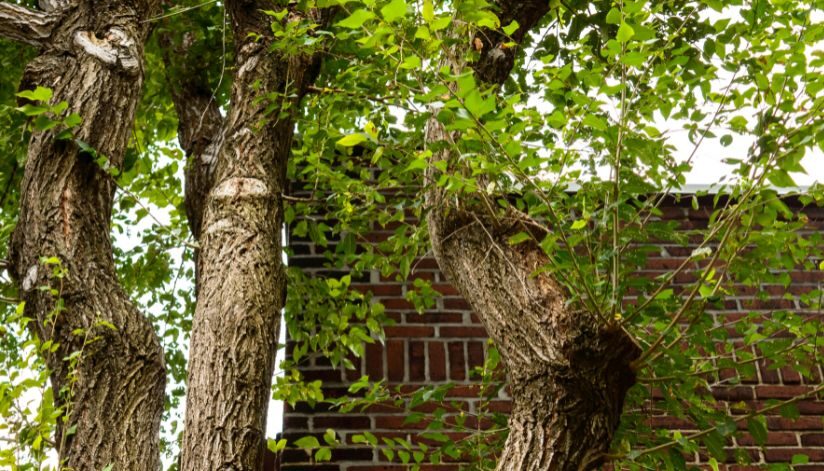
Your roof is often the first part of the home affected by nearby trees. While shade can help reduce heat exposure during the summer, overhanging branches create several potential problems.
One of the most obvious concerns is physical damage. During storms, branches can break and fall onto the roof. Even smaller limbs can scrape against shingles during windy conditions, gradually wearing away protective granules.
The risk increases when branches extend directly over the roof surface. In addition to storm damage, constant contact can shorten the lifespan of roofing materials.
Trees also contribute to debris buildup. Leaves, twigs, and seeds collect on the roof and often settle in valleys where water naturally flows. Over time, this debris traps moisture and slows drainage.
Moisture Retention Can Shorten Roof Life
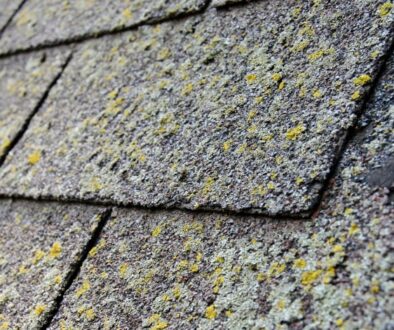
Sunlight plays an important role in helping roofing materials dry after rain. Heavy tree coverage limits exposure to sunlight and reduces airflow across the roof surface.
As a result, moisture tends to remain on the roof longer.
This creates favorable conditions for:
- Moss growth
- Algae development
- Premature shingle deterioration
When moisture remains trapped against roofing materials for extended periods, wear accelerates and maintenance needs increase.
Wisconsin’s changing seasons make proper drying especially important. Roofs exposed to constant shade often experience different aging patterns than those with better sunlight and airflow.
Gutters Collect More Than Water
Gutters are designed to move water away from your home. Trees often make that job more difficult.
Leaves and small branches routinely enter gutter systems throughout the year. During heavy rainfall, these materials collect near downspouts and create blockages that restrict water flow.
When gutters become clogged, water begins to overflow rather than drain properly. This can lead to problems along the roof edge, fascia, siding, and foundation.
Common signs of tree related gutter issues include:
- Overflow during rainstorms
- Water stains on fascia boards
- Plants or weeds growing in gutters
- Sagging gutter sections
The more mature the surrounding trees, the more frequently gutters may need cleaning and maintenance.
Trees Can Affect Siding Too
While roofs and gutters receive much of the attention, siding is often impacted by nearby trees as well. Branches that touch exterior walls create repeated friction during windy weather. Over time, this contact scratches finishes, damages paint, and wears down siding materials.
Trees also create shaded areas that stay damp longer after rain. This prolonged moisture exposure increases the likelihood of mildew, algae, and staining.
When shrubs and tree branches grow too close to the home, airflow becomes restricted. Trapped moisture around siding can contribute to deterioration and increase maintenance needs.
Maintaining adequate clearance between vegetation and exterior walls helps improve drying and preserve siding performance.
Pests Often Follow Trees
Trees provide easy access to the roofline for various pests. Squirrels, raccoons, birds, and insects frequently use overhanging branches to reach homes.
Once they gain access, they may target soffits, fascia, attic vents, and other vulnerable areas.
Homeowners often discover pest issues after noticing:
- Scratching noises in the attic
- Damaged soffits or fascia
- Nesting materials near roof edges
Reducing direct access points helps lower the likelihood of unwanted visitors.
How Much Clearance Should Trees Have?
There is no single rule that applies to every property, but maintaining adequate separation between branches and the home is important.
In general, homeowners should aim to keep branches several feet away from the roofline whenever possible. This reduces the risk of storm damage while improving airflow and sunlight exposure.
Regular trimming also makes it easier to inspect the roof, gutters, and siding for maintenance needs.
Professional arborists can help determine the best approach for preserving tree health while protecting your home.
Finding the Right Balance
Trees provide benefits that many homeowners value. The goal is not to remove healthy trees simply because they are near the home. Instead, the focus should be on managing growth and preventing avoidable damage.
A balanced approach includes routine tree maintenance, seasonal gutter cleaning, and regular exterior inspections. Together, these steps help ensure your landscaping enhances your property without creating unnecessary risks.
Protect Your Home and Your Landscape
Trees and homes share the same space, which means they inevitably affect one another. With proper maintenance and planning, you can enjoy the benefits of mature trees while protecting your roof, gutters, siding, and other exterior components.
At Ledegar Roofing, we help homeowners throughout La Crosse, Onalaska, Holmen, Winona, and surrounding communities evaluate the condition of their exterior systems and identify issues before they become larger concerns.
If you have questions about how nearby trees may be affecting your home, visit ledegarroofing.com/contact or call 608-785-0901 to schedule a consultation today.