
Understanding The Differences Between Asphalt Shingles And Other Roofing Systems
When it comes to roofing materials, homeowners have more options than ever before. Asphalt shingles remain the most popular choice across Wisconsin and beyond—but they’re far from the only one. Metal roofing, slate, wood shakes, and newer synthetic systems all offer distinct advantages and considerations. So how do you know which is right for your home? The experts at Ledegar Roofing are here to help you understand the difference between asphalt shingles vs other roofing systems – in cost, lifespan, appearance, and performance to help you make an informed decision that meets both your short-term needs and long-term goals.
Asphalt Shingles Vs Other Roofing Systems
Asphalt Shingles
Asphalt shingles are the most widely used residential roofing material in the U.S. for good reason. They’re cost-effective, relatively easy to install, and available in a wide range of colors and styles to match virtually any home.
Key benefits of asphalt shingles:
- Affordability: Lower upfront cost compared to most other materials
- Ease of installation: Faster turnaround time and fewer labor costs
- Style versatility: Options include traditional 3-tab, dimensional, and luxury shingles
- Moderate lifespan: Typically 20–30 years with proper maintenance
- Good performance in cold climates: When installed correctly, asphalt shingles hold up well to snow and ice
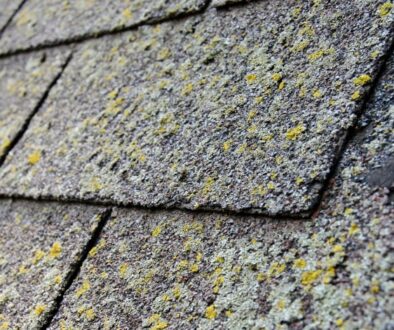
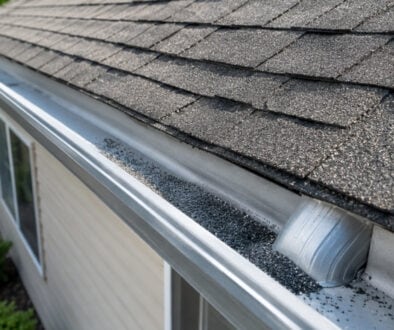
However, asphalt shingles are also more prone to damage from hail and high winds compared to some premium materials. Over time, they can lose granules, curl, or crack—especially if ventilation or attic insulation is lacking.
Metal Roofing
Metal roofing has gained popularity in recent years due to its longevity and performance. Available in steel, aluminum, copper, or zinc, metal roofs are often chosen for their sleek look and long-term value.
- Long lifespan: Often lasts 40–70 years
- Low maintenance: Resistant to rot, mildew, and insects
- Energy efficiency: Reflects solar heat, helping reduce cooling costs
- Lightweight: Puts less stress on the home’s structure
- Recyclability: Many metal roofs are made from recycled content and are fully recyclable at the end of life
Metal roofs tend to cost more upfront and can be noisier during rain or hail, though insulation can mitigate this. They also require skilled installation to avoid potential issues with expansion and contraction.
Slate Roofing
Natural slate is one of the oldest roofing materials still in use today—and also one of the most durable and visually striking. A properly installed slate roof can last a century or more.
What makes slate unique:
- Exceptional longevity: 75–100+ years when maintained
- Classic aesthetic: Adds historic charm and curb appeal
- Fire resistance: Completely non-combustible
- Low water absorption: Resistant to freeze-thaw cycles
That said, slate is also one of the most expensive roofing materials, both in terms of product and installation. Its weight may require structural reinforcement, and replacement tiles can be difficult to match down the line.
Wood Shakes And Shingles
Cedar shakes or shingles offer a warm, rustic appearance that blends beautifully with natural surroundings. Many homeowners appreciate their charm and sustainability.
Highlights of wood roofing:
- Natural insulation properties
- Eco-friendly option (especially if FSC-certified)
- Aesthetic appeal with aging patina
However, wood roofs require more upkeep than other materials. Without regular treatment, they’re susceptible to mold, insects, and weathering. They’re also not recommended in areas with high fire risk unless treated with fire retardant.
Synthetic And Composite Roofing
Synthetic materials—such as rubber, polymer, or composite tiles—aim to replicate the look of natural products (like slate or cedar) while offering modern performance benefits.
Why some homeowners choose synthetic roofing:
- Lightweight: Easier to install on most structures
- Impact resistance: Holds up well against hail and debris
- Mold and algae resistance
- Low maintenance
Although synthetic roofs are often more affordable than their natural counterparts, the quality varies widely by manufacturer. Always check certifications and warranties before investing.
Choosing What’s Right For Your Home
No single roofing material is perfect for every home. Your best choice depends on a range of factors:
- Budget: Are you looking for the most affordable option or a long-term investment?
- Aesthetic goals: Do you prefer a traditional or modern look?
- Climate: Does the material hold up well to Wisconsin’s freeze-thaw cycles, snow loads, or storms?
- Longevity: How long do you plan to stay in your home?
- Maintenance: Are you prepared for occasional upkeep or looking for something more hands-off?
Talk To A Roofing Expert Before You Decide
Choosing the right roofing system isn’t just about looks—it’s about long-term protection, energy efficiency, and return on investment. At Ledegar Roofing, we work with homeowners across La Crosse, Onalaska, and surrounding areas to help assess their needs and recommend the best materials for their property and goals.
Ready to talk through your options?
Visit ledegarroofing.com/contact or call our team at 608-785-0901 today to schedule a free consultation.