Spring Exterior Walkthrough Checklist for Commercial Property Owners
As winter fades and temperatures begin to rise, March is one of the most important times of year for commercial property owners to evaluate the condition of their buildings. Snow, ice, freeze-thaw cycles, and wind place stress on roofing systems, siding panels, gutters, and drainage components. Small issues that developed over the winter often go unnoticed until heavy spring rain exposes them.
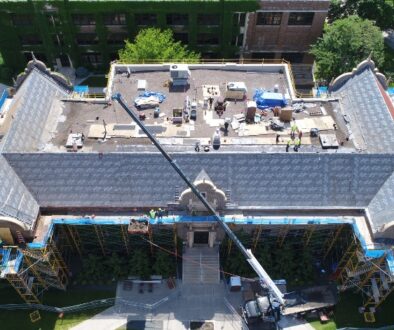
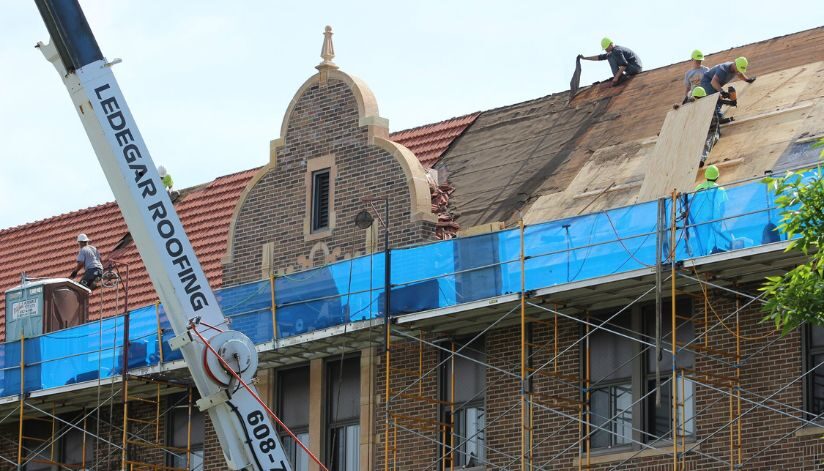
At Ledegar Roofing, we work with commercial property owners throughout La Crosse and the surrounding region who rely on proactive inspections to protect their investments. A structured spring exterior walkthrough helps you identify developing problems early, prioritize repairs, and prevent unexpected disruptions.
Here is a practical checklist to guide your spring inspection.
Start With the Roof Surface
Your roof carries the greatest exposure to winter weather. Even if there were no visible leaks, winter conditions may have weakened seams, flashing, and membrane systems.
During your walkthrough, look for:
- Ponding water or low spots that hold moisture
- Open or lifted membrane seams
- Blisters, cracks, or surface deterioration
- Loose edge metal or flashing
- Signs of punctures around rooftop equipment
Flat and low-slope commercial roofs are especially vulnerable to drainage problems. If water remains on the surface more than 48 hours after rainfall, the drainage system may require adjustment or repair.
Inspect Roof Drainage Systems
Spring rain quickly reveals drainage weaknesses. Clogged interior drains, scuppers, and downspouts can cause water to back up onto the roof surface.
Check for:
- Debris blocking roof drains
- Detached or leaking downspouts
- Rusted drain bowls or strainers
- Water staining along exterior walls
Proper drainage protects not only the roof but also the foundation and exterior walls. Even minor blockages increase structural stress over time.
Evaluate Rooftop Equipment and Penetrations
HVAC units, vents, and mechanical curbs are common sources of leaks. Expansion and contraction during winter can weaken sealants and flashing.
Examine:
- Cracked or deteriorated sealant around penetrations
- Loose flashing at equipment curbs
- Rust at fasteners or mounting brackets
- Gaps forming between membrane and metal transitions
Even small separations allow moisture to travel beneath the roof system. Early repair prevents insulation damage and interior water intrusion.
Review Exterior Walls and Siding Panels
Winter exposure impacts more than the roof. Metal panels, masonry, and exterior cladding systems may show signs of stress.
Walk the perimeter of the building and look for:
- Dents or panel separation
- Rust streaks at fasteners
- Open seams or failing joint sealant
- Water staining or discoloration
- Cracked mortar or masonry joints
Commercial siding systems protect insulation and structural framing. When seams fail or panels shift, moisture enters wall assemblies and leads to hidden deterioration.
Check Soffits, Fascia, and Edge Details
Edge components support both roofing and gutter systems. Ice buildup and snow loads often strain these areas.
Look for:
- Sagging fascia sections
- Loose or missing fasteners
- Gaps between roof edge and wall
- Signs of animal intrusion
These components help manage ventilation and support drainage systems. Damage here often indicates larger stress across the building envelope.
Examine Foundations and Surrounding Drainage
Roof and siding inspections should extend to ground level. Water management does not stop at the roof edge.
Inspect:
- Soil erosion near the foundation
- Standing water around the building perimeter
- Cracks in foundation walls
- Downspouts that discharge too close to the structure
Foundation movement and moisture infiltration frequently trace back to roof drainage issues. Early correction protects long-term structural stability.
Document What You See
As you complete your walkthrough, take clear photographs and note the location of any concerns. Documentation serves several purposes:
- Supports maintenance planning
- Helps prioritize repair budgets
- Assists with insurance documentation if needed
- Provides a record of ongoing property care
Consistent documentation demonstrates responsible property management and simplifies future inspections.
Know When to Bring in a Professional
Some issues are visible from the ground. Others require trained evaluation. If your walkthrough reveals seam separation, persistent ponding, loose flashing, or panel movement, schedule a professional inspection.
Commercial roofing systems often show subtle warning signs before major failure. A trained contractor can assess membrane condition, insulation moisture levels, and structural integrity more thoroughly than a visual review alone.
At Ledegar Roofing, our team provides detailed commercial roof and exterior inspections across La Crosse, Onalaska, Winona, and surrounding areas. We help property owners understand the condition of their building envelope and make informed repair decisions before spring storm season intensifies.
Why March Is the Right Time
Waiting until summer increases risk. Spring rain, high winds, and temperature swings test weak points quickly. Addressing problems in March allows you to schedule repairs before contractor calendars fill and before minor damage turns into interior disruption.
A consistent spring exterior walkthrough supports:
- Longer roof lifespan
- Reduced emergency repair costs
- Better drainage performance
- Improved tenant satisfaction
- Stronger insurance claim support if needed
Commercial buildings represent significant investments. Protecting them requires routine attention and timely action.
If you would like a professional evaluation of your commercial roof, siding, or drainage systems this spring, visit ledegarroofing.com/contact or call our team at 608-785-0901 today to schedule commercial roofing and exterior services.